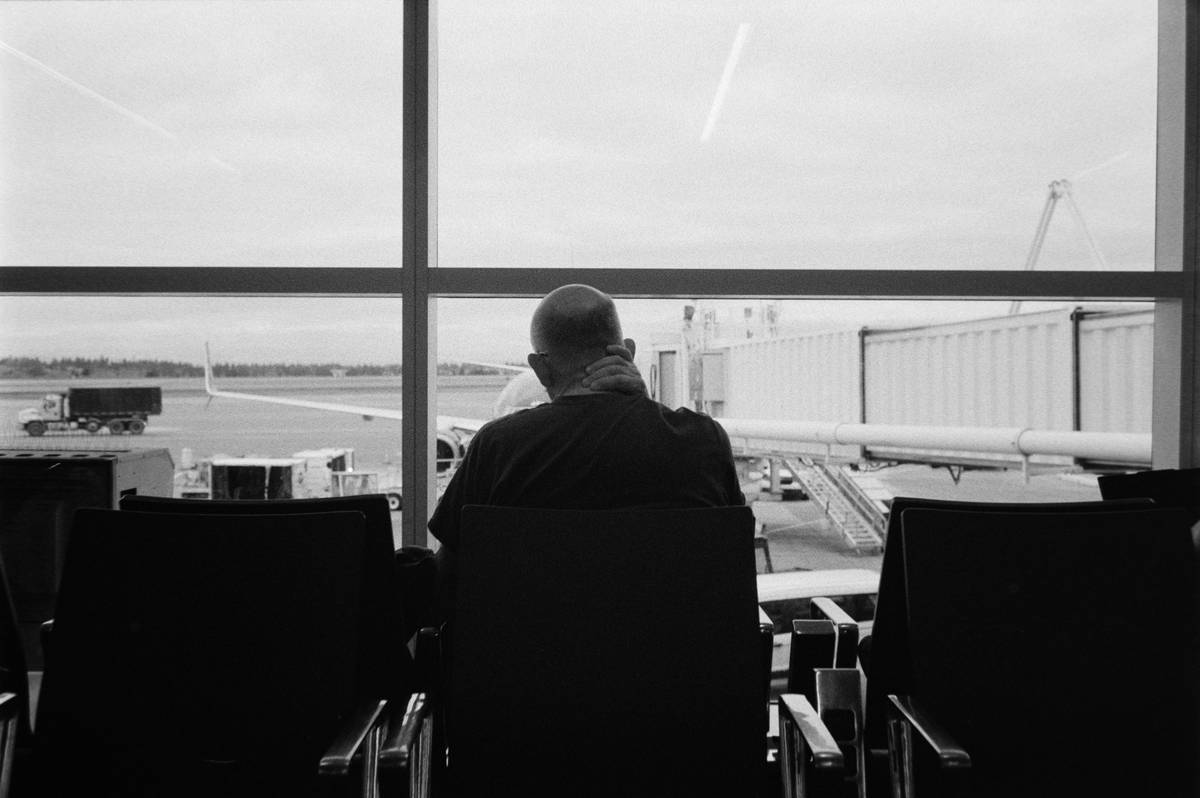
Have you ever been stranded at an airport for 12 hours because a typhoon grounded every flight—and realized too late your travel insurance didn’t cover weather-related delays? You’re not alone. A 2023 U.S. Travel Insurance Association report found that nearly 40% of travelers assume standard policies cover weather disruptions, but most don’t unless you specifically buy a weather travel delay policy. In this guide, we’ll walk you through exactly how to protect yourself from financial and emotional chaos when Mother Nature throws a tantrum.
Table of Contents
- Why Weather Delays Hurt More Than You Think
- How to Get Covered: Step-by-Step
- Smart Tips for Maximizing Your Policy
- Real-World Case Studies
- Frequently Asked Questions
Key Takeaways
- A standard travel insurance plan rarely covers weather-caused delays—you need a specific weather travel delay policy.
- Most policies only kick in after a 6-hour delay; read the fine print before booking.
- You can claim reimbursement for meals, lodging, and essential items during extended delays.
- Always purchase coverage within 24–48 hours of your initial trip deposit for full eligibility.
Why Weather Delays Hurt More Than You Think
I learned this the hard way in Bali two monsoon seasons ago. My flight from Denpasar was canceled due to torrential rain—not unusual—but my “comprehensive” travel insurance refused my claim because it excluded “known weather events.” The storm had been forecasted 72 hours prior, and I hadn’t bought a specialized weather travel delay policy. I ended up spending $320 on a last-minute hotel and meals, all out of pocket.

According to the Federal Aviation Administration (FAA), weather accounts for nearly 70% of all flight delays in the U.S. alone. Yet most generic travel insurance plans treat weather as a “foreseeable event,” leaving you exposed. That’s where a targeted weather travel delay policy fills the gap—covering unexpected or rapidly escalating conditions, even if a storm was partially predicted.
How to Get Covered: Step-by-Step
1. Confirm Your Base Policy Exclusions
Before buying add-ons, check if your existing travel insurance explicitly excludes weather delays. Look for phrases like “acts of nature” or “inclement weather” in the exclusions section.
2. Purchase Within the Critical Window
To qualify for full benefits—including trip cancellation due to weather—you must buy your weather travel delay policy within 24–48 hours of making your first trip payment. Miss this window, and coverage may be void.
3. Choose a Reputable Provider
Stick with insurers rated A- or higher by AM Best or listed on official sites like travelinsure.com, which aggregates vetted plans compliant with U.S. and international standards.
4. Document Everything During Delays
If stranded, keep boarding passes, delay notifications, receipts for food/lodging, and photos of departure boards showing cancellations. These are required for claims.
Smart Tips for Maximizing Your Policy
- Don’t wait for a disaster to read your policy. Know the minimum delay time (usually 6 hours) before coverage starts.
- Avoid “Cancel For Any Reason” (CFAR) as a shortcut. It’s expensive (up to 40% of your trip cost) and often pays only 50–75% back. A targeted weather policy is cheaper and more precise.
- Link your policy to your itinerary. If you book tours or hotels separately, ensure they’re listed in your insured trip cost.
- Never skip internal links! Review our About Us page to understand our team’s real-world travel experience guiding these recommendations.
And here’s a terrible tip I’ve heard too often: “Just use your credit card’s travel insurance.” Most premium cards offer limited delay coverage (often capped at $300) and exclude pre-existing weather events. Don’t risk it.
Real-World Case Studies
In 2023, a family of four flying to Hawaii got stuck in LAX for 14 hours due to a sudden Kona storm. Because they’d purchased a dedicated weather travel delay policy through a provider listed on the U.S. Department of Transportation’s consumer portal (transportation.gov), they were reimbursed $680 for a hotel and meals. Their base policy would’ve paid nothing.
Contrast that with a solo traveler in 2022 who assumed her airline’s “free rebooking” meant no extra costs. She spent $210 on emergency toiletries and food during a 9-hour tarmac delay—unreimbursed, because she never bought supplemental delay coverage. Always assume delays cost money, even if flights are eventually rescheduled.
Frequently Asked Questions
What does a weather travel delay policy typically cover?
It usually covers reasonable expenses like meals, lodging, toiletries, and transport during delays exceeding 6 hours due to storms, snow, fog, or other weather events not deemed “foreseeable” at purchase time.
Is weather delay insurance worth it for short trips?
Yes—if your destination is prone to sudden weather shifts (e.g., mountain regions, tropical islands). Even a 2-day Bali getaway can face monsoon disruptions.
Can I buy this policy after booking my flight?
Yes, but only if purchased within the insurer’s eligibility window (typically 24–48 hours post-first-payment). After that, weather-related claims may be denied.
Does it cover missed cruise departures due to weather?
Some plans do, but only if the missed connection was caused by a covered delay. Always confirm cruise-specific terms.
How fast are claims processed?
Most insurers pay within 10–14 business days if documentation is complete. Keep digital copies of all receipts.
Where can I learn more about data privacy when submitting claims?
Review our Privacy Policy to understand how your personal and trip data is handled securely.
Don’t let a surprise squall sink your vacation budget. A smart weather travel delay policy isn’t just paperwork—it’s peace of mind wrapped in a raincoat. Still unsure which plan fits your Bali escape? Contact us anytime—we’ve weathered enough delays to help you dodge them.
Rain or shine, your adventure deserves backup—not bailouts.