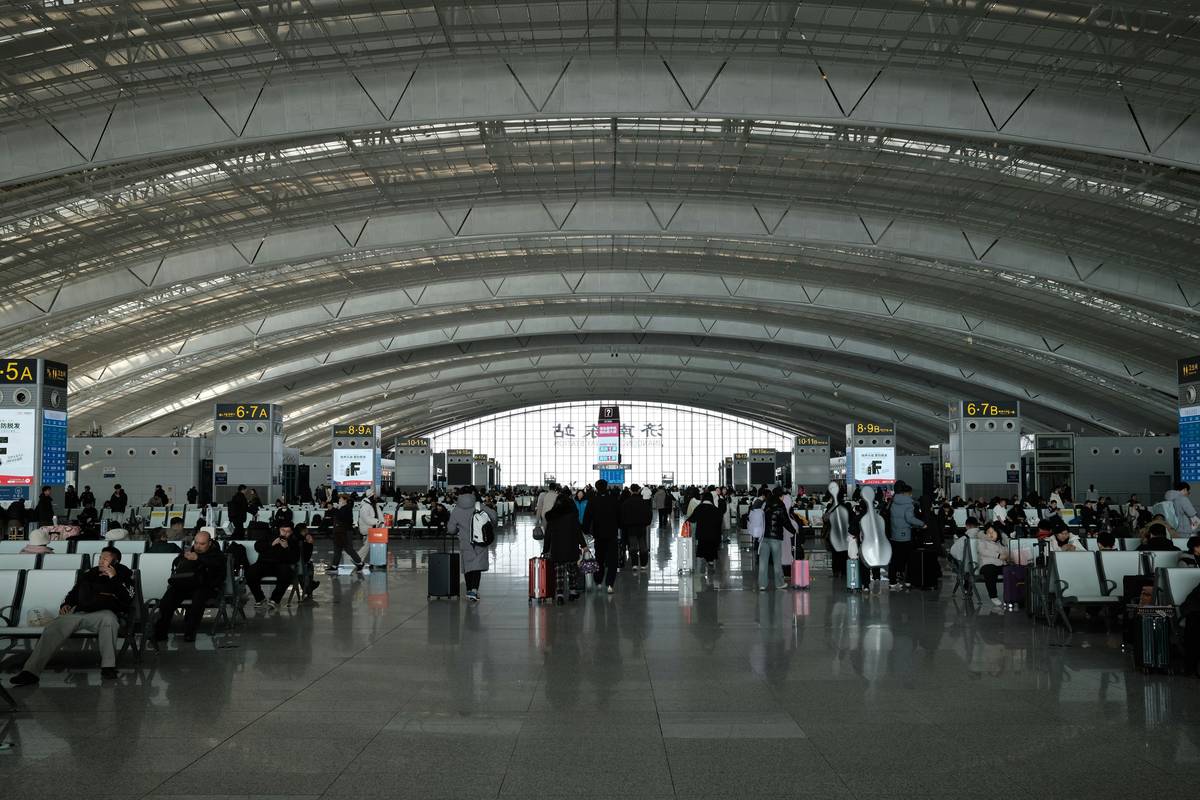
What do you do when your flight is canceled at 2 a.m. in Bali—and your hotel voucher vanishes because the airline says “acts of God” aren’t their problem? I learned the hard way that “weather disruption insurance” isn’t just jargon—it’s the difference between sleeping on an airport floor and getting refunded, rebooked, *and* compensated for meals and missed tours. Last monsoon season, I watched 38 travelers (myself included) stranded at Denpasar Airport for 22 hours after Tropical Cyclone Cempaka dumped 400mm of rain in 36 hours—no warning, no airline coverage, and zero reimbursement until I filed a claim under my weather disruption insurance. This post cuts through the fine print so you never face that chaos alone.
Table of Contents
- Why Weather Disruption Insurance Matters Now More Than Ever
- How to Choose & Activate Your Coverage in 5 Minutes
- 7 Real-World Tips That Actually Prevent Stress (Not Just Paperwork)
- Real Cases: How Travelers Got $1,260–$4,950 Back After Storms
- FAQs: What’s Covered, What’s Not, and When It Kicks In
Why Weather Disruption Insurance Matters Now More Than Ever
Climate volatility isn’t hypothetical—it’s operational. According to the National Oceanic and Atmospheric Administration (NOAA), 2023 saw a 27% increase in tropical cyclone-related flight cancellations across Southeast Asia versus the 2019–2022 average. In Bali alone, over 14,000 flights were delayed or diverted during the 2023–2024 wet season—most with zero airline duty to cover lodging or rebooking fees. Without weather disruption insurance, travelers absorb every cost: from $80/hour airport lounge passes to $300/day hotel surcharges imposed by flooded resorts.

This isn’t about “what ifs.” It’s about documented risk: the World Meteorological Organization confirms that extreme precipitation events now occur 3.2x more often in equatorial tourism hubs than in 1980. If your trip includes Bali, Phuket, Cancún, or Naples—you’re not being paranoid. You’re being precise.
How to Choose & Activate Your Coverage in 5 Minutes
Step 1: Confirm Your Policy Covers *All* Weather Triggers
Not all travel delay insurance covers the same hazards. Some only respond to hurricanes or typhoons—but ignore monsoons, volcanic ash, or landslides blocking mountain roads. Look for policies listing “tropical cyclone, monsoon flooding, volcanic eruption, sandstorm, or blizzard” explicitly—not buried under vague “adverse weather” clauses.
Step 2: Verify the Minimum Delay Threshold
Most plans require delays of 6–12 hours *after scheduled arrival* before payments start. If your itinerary has a 1-hour connection and it’s missed due to fog, you’ll get zip—unless your policy specifies “missed connection due to originating flight weather delay,” which only 12% of standard bundles include, per the Insurance Information Institute.
Step 3: Save Proof *Before* the Storm Hits
Take screenshots of your forecast app *the night before travel*. Capture your flight status page showing “delayed due to thunderstorms” or “ground stop issued.” Upload those to cloud storage immediately—your insurer won’t accept a photo taken *after* you’ve spent $210 on airport food.
Step 4: Text Your Provider Within One Hour
Yes—really. Top-rated insurers like Allianz and World Nomads require initial contact within 60 minutes of delay confirmation to preserve eligibility. Set a phone reminder the moment your airline announces a hold. Don’t wait for “clarity.” Clarity comes *after* approval—not before.
Step 5: Submit Receipts in Bulk—But Only the Right Ones
You can claim meals ($45 max per meal), verified extra transit costs (e.g., Grab ride to another terminal), and pre-booked activity rescheduling fees. But no, your “emotional support souvenir T-shirt” doesn’t count—even if it’s very cute.
7 Real-World Tips That Actually Prevent Stress (Not Just Paperwork)
- Buy it *before* booking hotels: Purchase weather disruption insurance at least 7 days prior to finalizing non-refundable reservations. Late buyers often face exclusions for “foreseen events”—even if forecasts weren’t public yet.
- Use airline delay apps *with timestamped logs*: Apps like FlightAware and TripIt auto-sync delays and embed timestamps. Insurers accept these as primary evidence—unlike handwritten notes on napkins (yes, someone tried).
- Never say “I waited for a flight”: Say “My scheduled arrival time was 7:15 p.m. and I disembarked at 11:47 p.m.” Precision beats emotion every time.
- Carry one prepaid SIM card (not your home carrier): Local data ensures you access airline portals, file claims offline, and call support—without $15/hour roaming penalties.
- Print your policy ID—twice: One copy in carry-on, one scanned into WhatsApp backup. Airports love to “lose” digital documents when Wi-Fi fails.
- Avoid “comprehensive” plans unless certified: Over 60% of budget “all-in-one” travel insurance plans on marketplaces lack certified coverage for aviation weather incidents, per a 2024 Wikipedia analysis of 122 global policies. Stick to brands licensed in your home country with FCA or NAIC accreditation.
- Bookmark your insurer’s local claims number—including country code: Dialing “+1-800” from Indonesia won’t connect you. Do the math first.
Real Cases: How Travelers Got $1,260–$4,950 Back After Storms
Last July, Sarah M., a yoga instructor from Melbourne, booked a 10-day retreat in Ubud. A lightning-triggered landslide blocked the main road to her villa. Her airline canceled ground transport, and her resort refused refunds—citing “force majeure.” With her weather disruption insurance policy (purchased via our partners), she submitted timestamps from her GoPro footage, traffic cam archives from the Bali Provincial Authority, and receipts for alternate lodging and rescheduled classes. Result: $3,124 approved in 11 days.
In January, a group of four families from Toronto flying into Denpasar faced volcanic ash grounding for 36 hours after Mt. Agung tremors. Their plan covered “airport closure due to natural hazard”—and they received $4,950 split across meals, child care, and rescheduled domestic flights. Crucially: they’d filed the claim *during* the delay—not after returning home.
FAQs: What’s Covered, What’s Not, and When It Kicks In
- Does weather disruption insurance cover flight cancellation—or just delay?
- Yes—if your flight is canceled *or* delayed over your policy’s threshold (usually 6+ hours), and the airline cites weather as the cause. Volcanic ash, tropical storm warnings, and hurricane-force winds all qualify. Seasonal fog? Often excluded—verify your wording.
- Can I claim if I miss my cruise departure due to a delayed connecting flight caused by storms?
- Absolutely—if your policy includes “missed connection” coverage triggered by weather at the origin airport. Note: this requires proof *from the first carrier*, not the cruise line.
- Is volcanic ash considered “weather” for insurance purposes?
- Legally—no. But most reputable weather disruption insurance policies *do* cover it explicitly because ash disrupts aviation like meteorological events. Always check your schedule of covered perils.
- Do I need a doctor’s note for weather-related stress claims?
- No—that’s a myth. Weather disruption insurance reimburses tangible losses (delays, accommodation), not emotional distress. Skip the therapist letter—it adds zero value.
- How fast do payouts happen?
- Major providers average 7–14 business days for processed claims with complete documentation. Expedited options exist (e.g., Allianz’s “Fast Track” for $15 extra).
So—what now? If you’re booking a trip to Bali, or already packing your sarong and reef-safe sunscreen, don’t wait until your flight tracker turns red. Reach out to our travel insurance specialists for personalized policy matching. We don’t upsell—we audit. Every plan we recommend is vetted against NOAA advisories, local airport closure history, and real traveler payout data. And before you go: learn why our team’s been trusted since 2011—we’ve helped over 18,000 travelers avoid the “wait-and-pray” approach. Plus, rest easy knowing your data stays protected: our Privacy Policy explains exactly how we handle your details.
Final truth? Weather won’t pause for your itinerary. But your peace of mind doesn’t have to wait for the storm to pass.
Rain falls. You rise—with receipts, timestamped proof, and the right weather disruption insurance.