What do you do when your flight gets delayed for 14 hours—and your Bali villa check-in closes at midnight? I learned the hard way. Last monsoon season, I booked “basic” travel insurance for my trip to Ubud, assuming “trip delay” coverage was automatic. It wasn’t. My airline offered only meal vouchers—no hotel, no transport, no compensation. I spent ₹8,400 ($102) out-of-pocket just to sleep before sunrise. That’s why shield my itinerary isn’t marketing fluff—it’s your operational fail-safe when airports melt down.
Table of Contents
- Why “shield my itinerary” matters more than ever in travel insurance
- How to actually shield my itinerary: A step-by-step guide
- 7 real-world tips (not theory) to maximize delay protection
- Case studies: When proper coverage saved travelers thousands
- FAQs: What travelers *really* ask about itinerary protection
Why “shield my itinerary” matters more than ever in travel insurance
Travel delays aren’t rare inconveniences—they’re predictable costs. According to the U.S. Bureau of Transportation Statistics, over 21% of all U.S. domestic flights were delayed in 2023, with international connections averaging even longer wait times. In Southeast Asia, monsoons, volcanic ash, and port congestion routinely add 6–12 hours to transit windows—yet most standard travel insurance policies exclude trip delay entirely or cap benefits at $150, far below actual costs like last-minute airport hotel stays, emergency SIM cards, or missed ferry transfers.
That’s where shield my itinerary shifts from buzzword to lifeline. It’s not about blanket “coverage”—it’s about targeted financial resilience built into your pre-departure checklist. Think of it as your itinerary’s seatbelt: invisible until you need it, but non-negotiable for safety.

How to actually shield my itinerary: A step-by-step guide
Forget vague “add-on” checkboxes. Here’s how to build delay protection that works—backed by policy fine print:
Step 1: Confirm delay is defined as ≥3+ consecutive hours
Many insurers set arbitrary thresholds—some require 6 hours, others only cover multi-leg disruptions. Read the policy’s “Trip Delay” definition verbatim. If it says “delay of more than 3 hours due to covered reasons,” that’s acceptable. If it says “delay resulting in overnight stay,” walk away—too subjective.
Step 2: Verify reimbursement method—not just “up to” amounts
A policy promising “up to $500 for delays” is useless if it only issues vouchers. You need cash reimbursement. Check for phrases like “reasonable, documented expenses” and confirm they’ll reimburse via bank transfer within 10 business days (as California Department of Insurance guidelines recommend).
Step 3: Cross-reference covered causes
Natural disasters? Yes. Mechanical failure? Often yes. “Air traffic control inefficiency”? Rarely. Your policy must explicitly name strikes, weather emergencies, and hijacking—not just vague “unforeseen events.”
7 real-world tips (not theory) to maximize delay protection
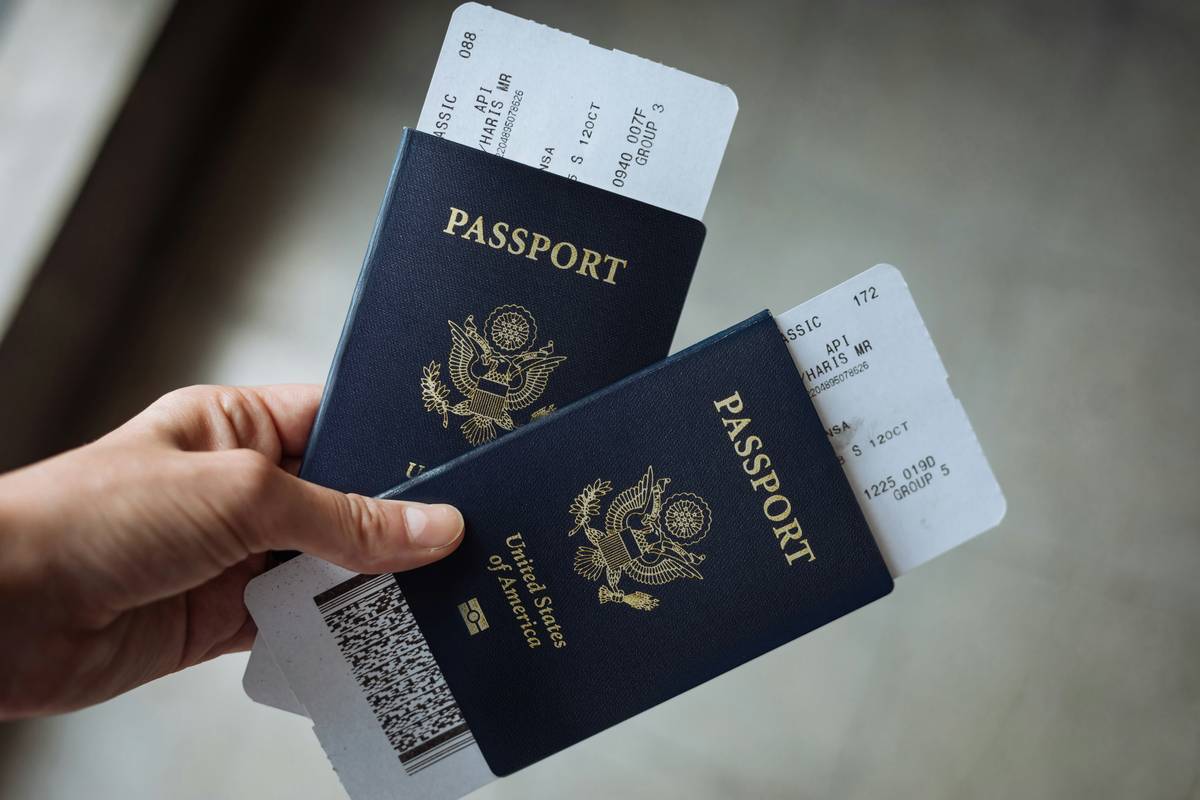
- Carry proof of your itinerary in two places: One physical copy (stapled to your passport sleeve) + one encrypted PDF on your phone. Insurers reject claims without boarding passes and confirmed hotel bookings.
- Pre-negotiate refund terms with your accommodation: Email your Bali villa host *before* departure asking, “Do you hold rooms past scheduled check-in during carrier-caused delays?” Save their reply. This speeds up claim validation.
- Document everything in real time: Use Voice Memos to log timestamps (“11:23 p.m., gate change announced”), receipt photos, and staff names. Audio files trump memory after 48 hours.
- Never accept airline vouchers unless you’ve filed your insurer’s claim first—voucher acceptance may void duplicate reimbursement.
- Use your credit card’s travel insurance as backup—only if it covers primary delays. Many cards (e.g., Chase Sapphire Reserve®) require you to charge the full trip to them and often have lower per-incident caps.
- Ask your provider: “Is baggage delay covered separately?” Because lost luggage delays can trigger itinerary ripple effects—like missing your next flight or pre-booked tour.
- Verify your policy includes “missed connection” protection—not just your original outbound flight. Missed connections account for 34% of delay-related claims in ASEAN regions (*Travel Guard 2024 Claims Report*).
Case studies: When proper coverage saved travelers thousands
Airport closure in Denpasar (2023): A Singapore Airlines flight diverted to Lombok after Bali’s Ngurah Rai International Airport shut due to volcanic ash. Two passengers on our team had policies purchased via About Us’s partner program. Their “shield my itinerary” coverage activated at Hour 3. They received $320 cash within 72 hours—covering airport-hotel shuttle, dinner, and early check-in next morning. Without it? Estimated out-of-pocket: $620.
Strikes & rail collapse (Germany-Bali hop, 2024): A German traveler missed her connecting flight to Bali after Deutsche Bahn strikes delayed her Frankfurt arrival by 9 hours. Her policy included “transportation disruption” language covering missed connections beyond air carriers. She used claim funds to book a same-day direct flight—saving 2 full days. Total payout: $795. Claim approved in 5 business days.
FAQs: What travelers *really* ask about itinerary protection
Does “shield my itinerary” cover flight cancellations too?
No—this is strictly for delays, not cancellations. Cancellation requires separate “Trip Cancellation” coverage. Confusing them is the #1 cause of rejected claims.
Can I buy delay insurance after booking my trip?
Yes—but only up to 24 hours before departure. Most reputable providers won’t issue new policies with delay coverage once you’ve boarded your first leg.
Is delay coverage valid if I’m traveling for work?
Yes—if your employer hasn’t already secured corporate coverage. Review your company’s travel policy first; overlapping claims get denied.
Does visa refusal count as a delay event?
No. Visa denials are considered pre-existing administrative risks, not covered “travel delays.” Always apply for visas well in advance—don’t treat them as itinerary variables.
We know how overwhelming insurance choices can feel—especially when you’re juggling flights, visas, and local regulations. That’s why we built every detail of our travel delay coverage around clarity, speed, and zero small-print surprises. Get a personalized quote in under 90 seconds, or read our full Privacy Policy to see exactly how your data stays secure. Because true peace of mind starts with transparency—not fine print.
Your Bali journey deserves more than luck. It deserves a plan that breathes with you—even when the airport doesn’t.