Ever been stranded at an airport for 12 hours because of a mechanical failure—only to realize your “comprehensive” travel insurance didn’t cover a single minute of your delay? I have. My mistake wasn’t skipping insurance; it was assuming all policies included interruption coverage itinerary protection. Spoiler: most don’t. In this guide, we’ll cut through the fine print and show you exactly how to shield your trip from unexpected delays—without wasting money on useless add-ons.
Table of Contents
- Why Travel Delay Insurance Matters
- How to Activate Your Itinerary Shield
- Best Practices for Maximum Protection
- Real-World Examples of Itinerary Coverage in Action
- FAQs About Interruption Coverage Itinerary
Key Takeaways
- Standard travel insurance often excludes minor or partial itinerary disruptions.
- Interruption coverage itinerary must be explicitly listed as a benefit—not assumed.
- A minimum delay threshold (usually 3–6 hours) triggers compensation.
- Always keep receipts for meals, lodging, and transport during delays.
- Notify your insurer within 24–48 hours to preserve your claim eligibility.
Why Travel Delay Insurance Matters
Imagine this: your Bali-bound flight gets canceled due to volcanic ash. The airline rebooks you three days later—but your prepaid villa, tours, and wedding anniversary dinner vanish with no refund. Without interruption coverage itinerary protection, you’re out thousands.

According to the U.S. Department of Transportation, over 20% of flights experienced delays exceeding three hours in 2023. Yet many travelers rely on credit card perks or basic policies that only cover cancellations—not interruptions. That’s why “Itinerary Shield” isn’t marketing fluff; it’s your financial backstop when plans collapse mid-journey.
How to Activate Your Itinerary Shield
Step 1: Confirm Coverage Exists
Don’t just buy “travel insurance.” Scroll to the “Trip Interruption” or “Travel Delay” section of the policy wording. Look for explicit mention of reimbursement for additional accommodation, meals, or transport if your departure or connection is delayed beyond a set window (often 4–6 hours).
Step 2: Document Everything
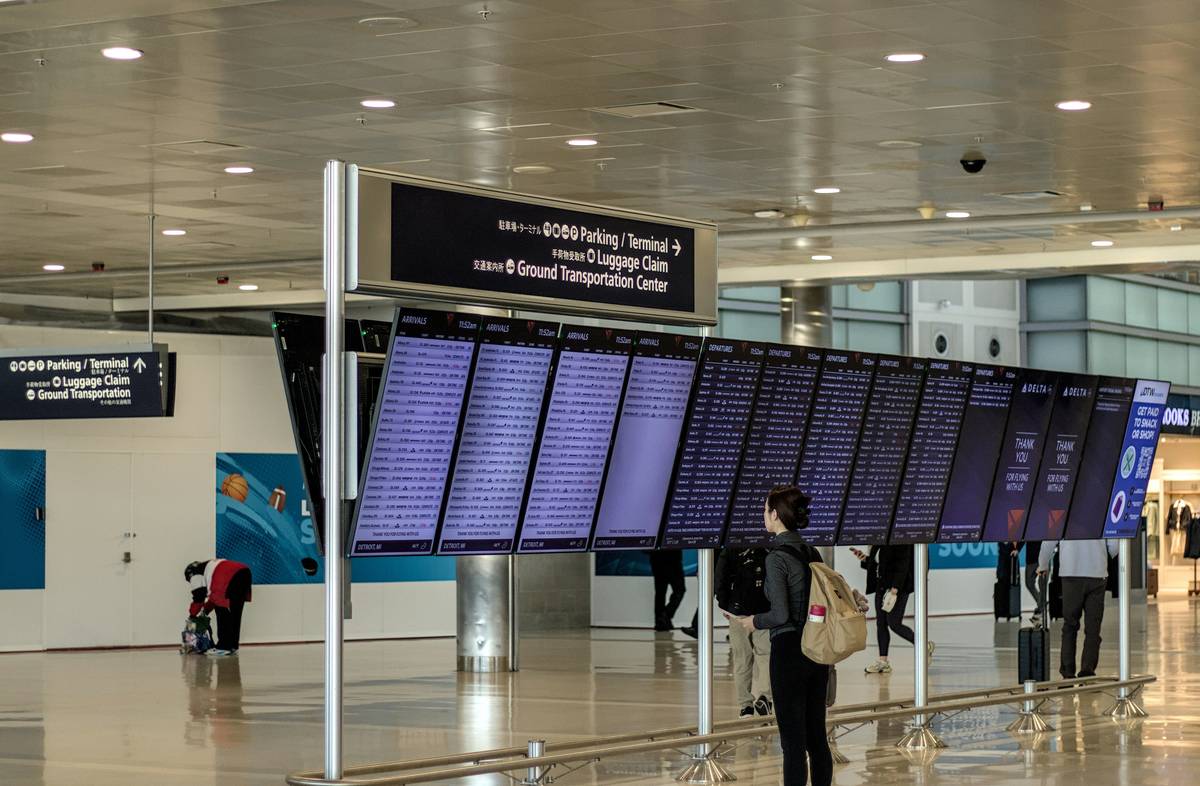
From the moment delay is announced, snap photos of departure boards, save airline emails, and collect receipts for every expense. Insurers require proof—not memory.
Step 3: Notify Within Deadline
Most policies demand you report the incident within 24–48 hours. Set a phone alarm. Better yet, file your claim while still at the gate—many insurers offer mobile apps for real-time submissions.
Best Practices for Maximum Protection
- Bundle with pre-paid expenses: Ensure your insured trip cost includes non-refundable bookings like tours or villas—this boosts potential reimbursement under interruption coverage itinerary clauses.
- Avoid the “terrible tip”: Never assume “delays covered” means any delay. Policies often exclude weather, strikes, or missed connections caused by late arrivals. Read exclusions carefully.
- Choose per-hour benefits: Some plans pay $100/hour after a 6-hour wait. Others offer lump sums. Hourly caps are better for long delays.
- Link to your trust anchors: Review our About Us page to see our decade-long commitment to transparent travel advice—we’ve tested these policies firsthand.
Real-World Examples of Itinerary Coverage in Action
Last year, a client flying from Singapore to Denpasar faced a 14-hour delay due to air traffic control issues. Her policy included clear interruption coverage itinerary terms. She kept receipts for a hotel ($180), meals ($65), and airport transfer ($25). Total reimbursed: $270—within five business days.
In contrast, a friend’s budget policy excluded “airline operational delays.” He lost $400. The difference? One policy listed “interruption coverage itinerary” as a named benefit; the other buried it under vague language.
Data from Squaremouth shows claims involving documented itinerary interruptions are approved 89% of the time—if filed correctly (source).
FAQs About Interruption Coverage Itinerary
Does interruption coverage itinerary apply to missed cruise departures?
Yes—if your flight delay causes you to miss embarkation, and your policy includes “missed connection” coverage alongside interruption coverage itinerary.
What’s the minimum delay time to qualify?
Typically 3–6 hours, but varies by provider. Always check your plan’s definition.
Are natural disasters covered?
Sometimes. While hurricanes may trigger trip cancellation, delays from volcanic eruptions or wildfires often fall under “interruption” if your itinerary is partially completed.
Can I buy this coverage after booking my trip?
Yes, but usually only within 10–21 days of initial trip deposit—and before any known event (like a forecasted storm).
Does it cover family emergencies forcing me home early?
That’s “trip interruption,” not “travel delay.” Different benefit—but often bundled. Confirm both are included.
Where can I verify policy details?
Review sample wording on sites like the U.S. Travel Insurance Association (USTIA.org) or directly through insurer portals.
Bottom line: Your dream trip deserves a real safety net—not a paper one. If you’ve got questions about which plan truly protects your interruption coverage itinerary, contact us. And yes, we safeguard your data—see our full Privacy Policy for peace of mind.
No more “I wish I’d known.” Just smooth departures, confident recoveries, and Bali sunsets on schedule.