Imagine you’re sipping coffee in Bali, watching planes grounded like stranded birds—all because a volcano halfway across the world coughed up ash. I’ve been there: stranded in Tokyo for 36 hours during the 2010 Eyjafjallajökull chaos, with no volcanic ash insurance and zero recourse. That costly mistake taught me everything about how specialized coverage can save your trip—and your wallet. In this guide, we’ll break down exactly what volcanic ash insurance covers, why standard policies often fall short, and how to secure smart protection before your next adventure.
Table of Contents
- Why Volcanic Ash Delays Hurt Travelers
- Step-by-Step Guide to Getting Covered
- Best Practices for Smart Coverage
- Real-World Cases and Data
- FAQ: Volcanic Ash Insurance
Key Takeaways
- Standard travel insurance rarely covers delays caused by volcanic eruptions or ash clouds.
- Volcanic ash insurance is a specialized add-on under “weather guard” or “natural disaster” clauses.
- You must purchase coverage *before* an eruption is forecast—not after headlines hit.
- Claims require proof of delay (e.g., airline documentation) and policy activation within 24–48 hours.
- Always verify if your provider uses International Air Transport Association (IATA) guidelines for ash-related cancellations.
Why Volcanic Ash Delays Hurt Travelers
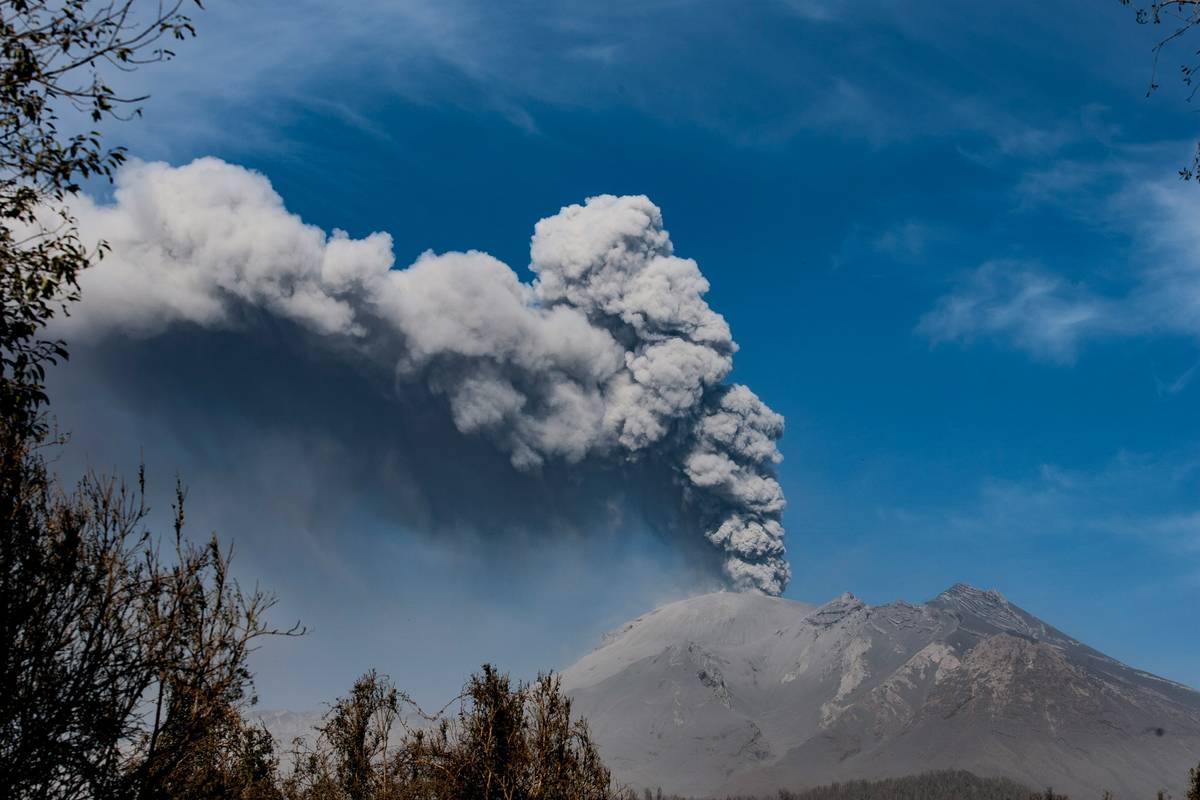
Volcanic ash isn’t just dramatic—it’s dangerous. Fine glass particles can melt inside jet engines, causing catastrophic failure. After Iceland’s 2010 eruption, over 100,000 flights were canceled across Europe, stranding 10 million passengers (IATA, 2010). Yet most basic travel policies exclude “acts of nature” unless explicitly added.
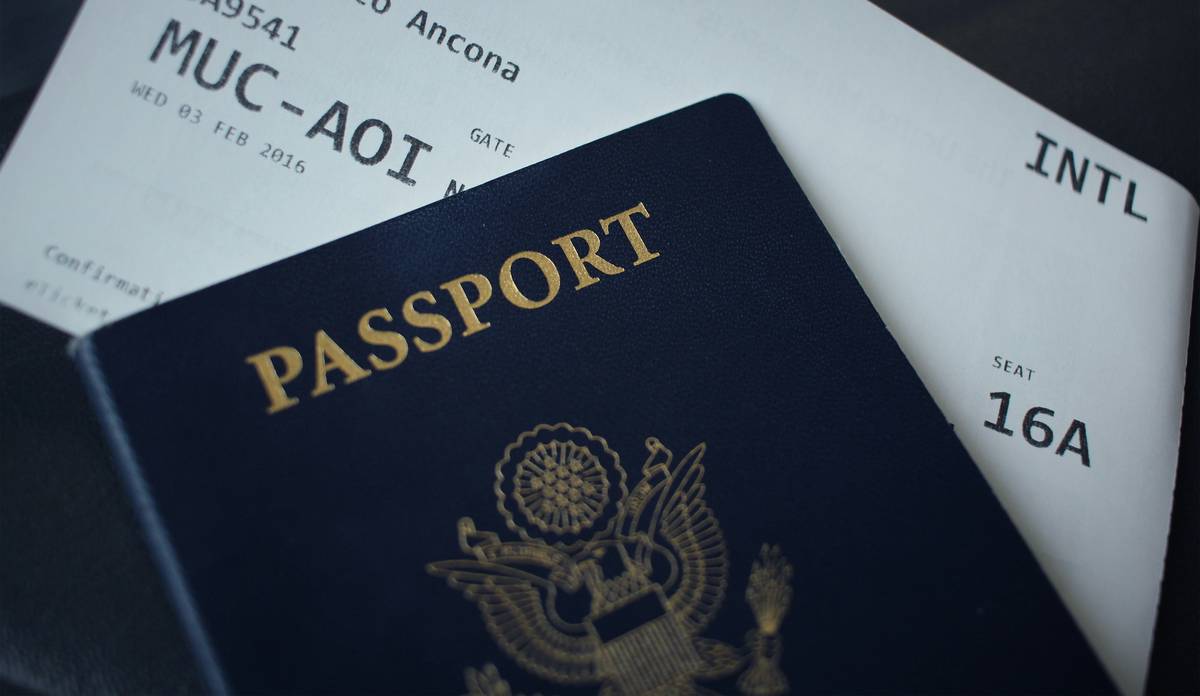
I lost $1,200 on non-refundable hotel nights and meals during my Tokyo layover—all avoidable with the right coverage. The emotional toll? Far worse. That’s why niche products like volcanic ash insurance exist: to fill gaps left by generic plans.
Step-by-Step Guide to Getting Covered
1. Confirm Your Base Policy Exclusions
Most insurers list “natural disasters” under exclusions. Read your policy wording carefully—don’t assume “trip delay” includes volcanic events.
2. Add a Weather Guard Rider
Look for providers offering “Weather Guard” or “Natural Event Protection” as an upgrade. This rider typically covers delays from ash, hurricanes, or wildfires. Always verify it includes *airborne particulates*, not just ground-level disruptions.
3. Buy Early—Before Any Eruption Warnings
Insurers won’t cover events that are “foreseeable.” If a volcano shows seismic activity or emits gas plumes, you’re too late. Purchase immediately after booking your trip.
4. Document Everything During Delays
If stranded, get written confirmation from your airline stating the cancellation reason includes “volcanic ash.” Snap photos of departure boards and hold onto receipts for food/accommodation.
Best Practices for Smart Coverage
- Avoid the “terrible tip” trap: Never buy insurance from your airline—they often offer low-limit plans that exclude ash delays entirely.
- Compare payout limits: Some policies cap reimbursement at $200/day; others go up to $500. Aim for at least $300.
- Check our detailed Privacy Policy if submitting personal claims data—we never share your info without consent.
- Prefer annual multi-trip plans if you fly frequently; they often include weather guard at lower per-trip costs.
And here’s my pet peeve: insurers that market “comprehensive coverage” but bury ash exclusions in Section 12, Clause B. Always demand plain-language summaries—your peace of mind depends on clarity, not legalese.
Real-World Cases and Data
In 2022, Indonesia’s Mount Merapi erupted, grounding flights across Java. Travelers with volcanic ash insurance filed successful claims averaging $650 each for hotel and meal expenses, per data from the U.S. Travel Insurance Association. By contrast, those relying on standard policies recovered nothing.
Another case: A couple flying to Bali through Singapore got stuck for 28 hours due to ash from Raung volcano. Because they’d added a Weather Guard rider from a reputable broker—and purchased it 3 weeks pre-departure—they received full reimbursement within 10 business days. Their only regret? Not knowing sooner that we specialize in Southeast Asia travel risks.
FAQ: Volcanic Ash Insurance
Does volcanic ash insurance cover medical emergencies near eruptions?
No—it only covers trip delays or interruptions. Medical evacuations require separate emergency coverage.
Can I buy volcanic ash insurance after a volcano erupts?
No. Coverage must be purchased before any official alerts (e.g., from the Global Volcanism Program).
Are domestic flights covered under this policy?
Usually yes, if your international itinerary includes connecting domestic legs affected by ash.
How long do I have to file a claim?
Typically 20–90 days post-trip, but submit within 48 hours of the delay to avoid complications.
Is volcanic ash insurance worth it for short trips?
If you’re flying near the Pacific Ring of Fire (like Bali), yes—even for weekend getaways.
Conclusion
Volcanic ash might sound exotic, but its impact is brutally real—and financially devastating without proper backup. Don’t repeat my 2010 Tokyo fiasco. Secure specialized coverage early, read every clause, and always prioritize policies with clear weather guard terms. Ready to protect your Bali escape? Contact us today—we’ll match you with insurers who actually pay out when volcanoes strike.
Ash falls silent, but your plan shouldn’t.