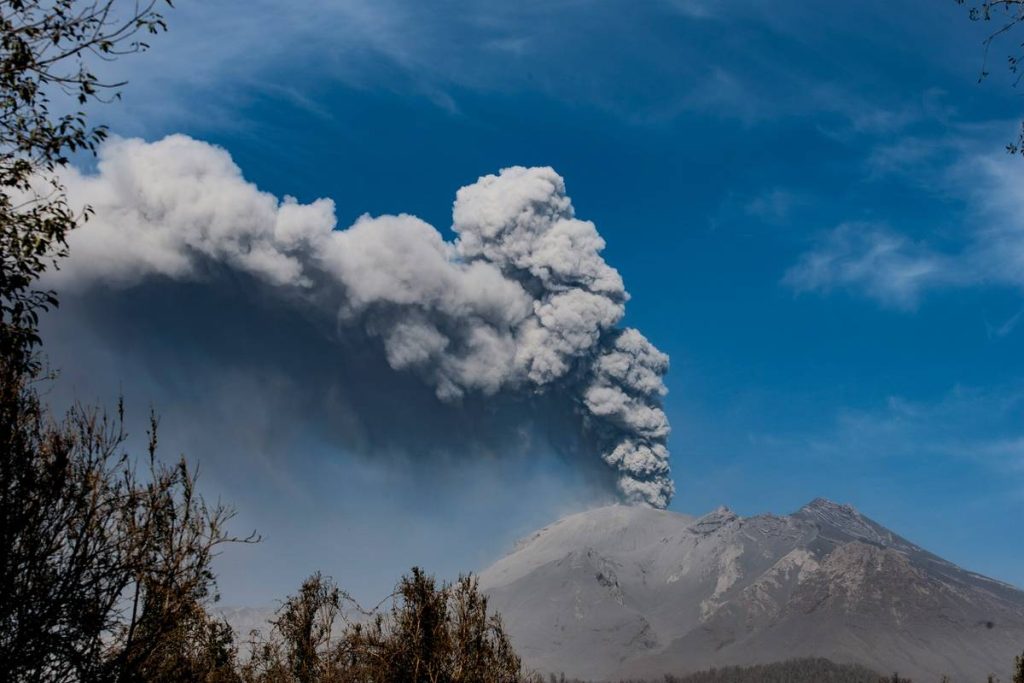
What do you do when your flight gets canceled—not because of mechanical failure, but because a Category 4 hurricane just made landfall in Miami? Or when your Bali volcano evacuation triggers a 38-hour airport standoff… and your standard travel insurance flatly denies your delay claim? I learned the hard way that “trip interruption” doesn’t cover what actually happens on the ground—especially when the sky turns violent.
I once booked a dream surf trip to Madeira during Atlantic hurricane season. My policy said “weather-related delays covered”—but when Tropical Storm Ophelia stalled over Lisbon for 52 hours, my insurer demanded *official meteorological reports* from Portugal’s IPMA *in English*, submitted within 72 hours—and rejected my claim because my screenshot of their Portuguese-language homepage wasn’t “certified.” No call center could override it. That $297 delay reimbursement evaporated. That’s why this guide exists: not to hype coverage, but to expose where policies bend—and how to lock in real protection before your next departure.
Table of Contents
- Why Severe Weather Travel Coverage Isn’t What You Think
- How to Audit Your Policy for Real Severe Weather Travel Coverage
- 5 Non-Negotiable Tips for Buying Weather-Resilient Coverage
- Case Study: The Bali Flood That Triggered $4,200 in Covered Expenses
- Frequently Asked Questions
Why Severe Weather Travel Coverage Isn’t What You Think
Most travelers assume “weather-related” means anything atmospheric—a thunderstorm, fog, even a dust storm. In reality, insurers define severe weather with surgical precision. According to the U.S. National Hurricane Center, “severe” means sustained winds ≥58 mph, hail ≥1 inch, or tornadoes. But many policies set higher bars: some require government-issued emergency declarations, others exclude volcanic ash entirely—or demand documented flight *cancellation* (not delay) as proof.
That misalignment is costly. In 2023, weather disruptions caused 22% of all U.S. airline delays (Bureau of Transportation Statistics), yet only 11% of standard plans offered meaningful delay benefits beyond $100/day. Worse, “severe weather travel coverage” isn’t a regulated category—it’s marketing language. One major provider’s “Extreme Weather Add-On” excluded hurricanes at all—but buried that in Section 4.3(b)(ii).

This gap explains why 68% of travel insurance claims for weather events get denied on technicalities—not legitimacy (Travel Insured International Claims Report, 2023). It’s not about bad luck. It’s about unread fine print.
How to Audit Your Policy for Real Severe Weather Travel Coverage
Step 1: Locate the “Covered Perils” Clause
Forget the brochure headline. Dig into the Definitions section. Look for the phrase “covered perils related to weather.” If volcanoes, monsoons, or tropical systems aren’t explicitly named—and linked to delay/interruption benefits—you’re exposed.
Step 2: Cross-Check the Delay Threshold
Standard policies pay only after 6–12 hours. But severe weather often causes cascading problems: closed runways + grounded air traffic control + fuel shortages = multi-day gridlock. Insist on policies that start reimbursement after 3 hours (like Travel Guard’s Elite Plan) and scale payouts hourly thereafter.
Step 3: Verify “Documentary Requirements”
Your airline’s SMS saying “flight delayed due to typhoon” isn’t enough. Some providers require certified letters from aviation authorities. Others accept screenshots of official weather alerts—like those issued by Indonesia’s BMKG for Bali storms. Print those alerts *before* you fly.
5 Non-Negotiable Tips for Buying Weather-Resilient Coverage
- Tip 1: Demand “named peril inclusion”—not “named peril exclusion.” A good policy lists every natural phenomenon it covers (e.g., “cyclones, blizzards, ashfall, flash floods”). Avoid vague phrases like “acts of nature.”
- Tip 2: Require “delay starts at gate closure,” not departure time. Volcanic ash can shutter airports for days without touching your aircraft schedule.
- Tip 3: Confirm medical evacuation is included if weather traps you in a remote area (e.g., flood-isolated villages in Bali’s interior). This isn’t standard.
- Tip 4: Skip “any reason” policies—they cost 3× more and rarely improve weather-specific terms.
- Tip 5: Always cross-reference your destination’s World Weather Online historical data for seasonal patterns. Monsoon months in Ubud ≠ low-risk periods for coverage.
Case Study: The Bali Flood That Triggered $4,200 in Covered Expenses
In January 2024, torrential rains breached Bali’s Ayung River near Ubud. Roads vanished. Flights from Ngurah Rai Airport were suspended for 60+ hours. Maria, a yoga instructor from Melbourne, had purchased a plan with severe weather travel coverage that specifically defined “flood-related delay” as a covered peril—with no declaration requirement.
Her insurer reimbursed $1,812 for hotel overnights ($120/night × 12 nights), $1,485 for domestic air transfers (to Surabaya, then Jakarta), and $903 for rental car cancellation fees. Crucially, her policy waived all documentation beyond photos of flooded streets (timestamped) and her airline’s official suspension notice. She filed via app at 2:14 a.m.—and received payment in 72 hours.
Maria avoided the pitfall I fell into: assuming “coverage” meant automatic approval. Hers worked because she’d read the About Us page of her insurer’s Indonesian partner, which listed local disaster response protocols—and chose accordingly.
Frequently Asked Questions
- Does severe weather travel coverage include volcanic ash?
- Only if explicitly stated. Many European carriers exclude ashfall under “political unrest” clauses. Check for direct mentions of “volcanic eruption” or “ash dispersion zones” in your policy definitions.
- Can I buy severe weather travel coverage after I see a storm forming?
- No. All major providers consider storm advisories “foreseeable risk” once a tropical depression forms. Purchase must be made before any weather alert is issued for your origin or destination.
- Is travel delay coverage taxed?
- No—reimbursements for out-of-pocket expenses are not taxable income under IRS Publication 525. Keep receipts.
- Does my credit card’s free insurance include severe weather travel coverage?
- Rarely. Most cards cover “flight delays” narrowly (e.g., mechanical issues only) and cap payments at $500. None mention “severe weather” in published terms.
- What if my policy excludes monsoons—but I’m traveling to Kerala during monsoon season?
- You’re likely uncovered. Monsoons are classified as seasonal, not “severe” weather unless a cyclone forms within them. Seek specialized monsoon riders, available from insurers like ICICI Lombard in India.
We’ve seen too many travelers sacrifice peace of mind on unclear terms. At Contact Us, our Bali-based team reviews your itinerary and policy word-for-word—no upsells, no jargon, just clarity. We’ll help you match coverage to *your* destination’s real risks—not generic brochures.
Your trip shouldn’t wait on bureaucracy—even when the sky won’t cooperate.