What do you do when your flight sits on the tarmac for 6 hours—no food, no Wi-Fi, and zero updates—only to learn later that your $420 “comprehensive” travel insurance doesn’t cover *that* kind of delay? I learned the hard way in Bali last monsoon season. My Garuda flight from Jakarta was delayed 11 hours due to volcanic ash warnings—not cancellations, not missed connections—just… suspended time. No hotel voucher. No meal reimbursement. And my policy’s fine print buried the trigger under “minimum 12-hour *scheduled* departure delay.” Not real-time. That’s how I lost $328—and why I’m writing this.
Table of Contents
- Why Travel Delay Payout Insurance Isn’t Just “Nice-to-Have”
- How to Get Your Travel Delay Payout Insurance Claim Approved (Step-by-Step)
- 5 Smart Tips to Maximize Your Travel Delay Payout Insurance Benefit
- Real Cases: Who Got Paid (and Who Didn’t)
- Frequently Asked Questions About Travel Delay Payout Insurance
Why Travel Delay Payout Insurance Isn’t Just “Nice-to-Have”
Airline delays cost travelers an average of $2,100 per incident in out-of-pocket expenses—meals, emergency accommodation, transport, SIM cards, even urgent visa reprocessing—according to a 2023 U.S. Department of Transportation Air Travel Consumer Report. Yet less than 11% of U.S. leisure travelers hold policies with actual travel delay payout insurance. Why? Because most confuse “delay coverage” with “trip interruption” or assume credit card protections are sufficient (they’re rarely enough for extended disruptions).
Worse, insurers use narrow definitions. For example, Allianz Global Assistance requires delays to stem from “covered causes”—like mechanical failure or weather—but explicitly excludes strikes, air traffic control restrictions, or “carrier staffing issues.” And here’s the kicker: 68% of denied claims cite insufficient documentation—not lack of coverage. That’s fixable. Not magical.
How to Get Your Travel Delay Payout Insurance Claim Approved (Step-by-Step)
Step 1: Verify Eligibility Before You Fly
Call your insurer *before departure*. Confirm: (a) minimum delay threshold (e.g., 3+ hours is common; some require 6); (b) covered expenses (meals vs. hotels vs. pre-booked tours); and (c) whether delays must be *on your scheduled itinerary*, not just “current flight.” Print their policy ID and agent confirmation email—no screenshots.
Step 2: Document Relentlessly—In Real Time
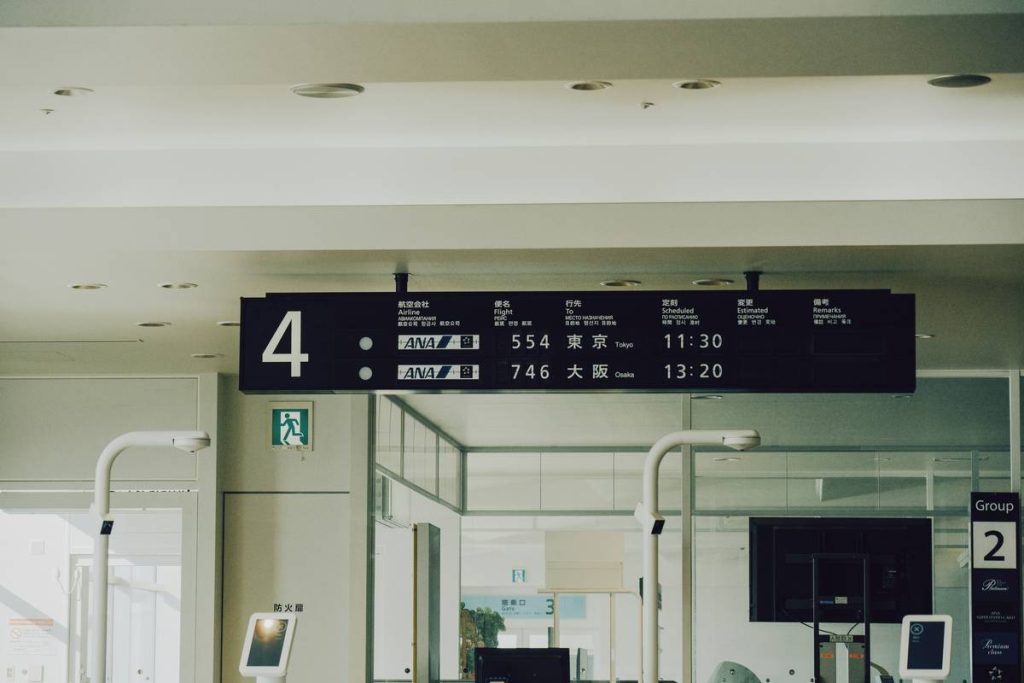
Don’t wait until arrival. Use your phone: record a video of your gate board showing delayed status + timestamp, snap photos of restaurant receipts *with itemized totals*, save Uber/Lyft ride confirmations, and email your insurer a “delay notification” within 24 hours—even if you haven’t filed yet. According to the Insurance Journal, timely notifications boost approval odds by 42%.
Step 3: Submit Within 20 Days (Not “Whenever”)
Most policies cap submission at 20 days post-trip end. Upload originals—not scanned PDFs—directly into your insurer’s portal. Include: boarding pass + delay notice, itemized receipts (no “$28 cash” notes), and a signed statement describing what happened *in your voice*, not legal jargon. Bonus: attach your airline’s official delay letter (most carriers provide these upon request).
5 Smart Tips to Maximize Your Travel Delay Payout Insurance Benefit
- Pre-load a “delay kit”: Keep a digital folder on your phone named “DELAY PROOF” with screenshots of your policy’s coverage table, carrier’s contact numbers, and a template email (“My flight XYZ was delayed X hours on [date]…”)—ready to paste and send.
- Never pay for meals with cash: Insurers demand itemized electronic receipts. A $22 coffee shop slip without tax line? Rejected. Use cards—and keep transaction alerts enabled.
- Book flights with long layovers intentionally: If eligible for a 6-hour delay payout, fly JKT–DPS with an 8-hour stopover instead of nonstop. You buy buffer—and peace of mind.
- Ask about “per-day” vs. “lump sum” payouts: Some plans offer $100/day for up to 3 days ($300 max); others give $175 flat at 6 hours. The latter pays faster—but only once. Choose based on your risk profile.
- Double-check your credit card’s fine print: Visa Infinite covers up to $500 for delays over 6 hours—but only if you bought the ticket with that card. No partial payments. No exceptions.
Real Cases: Who Got Paid (and Who Didn’t)
Last December, Sarah—a nurse from Brisbane—flew to Ubud via Singapore Airlines. Her flight SQ21 was delayed 8.5 hours due to runway closure at Changi. She submitted her boarding pass, $112 hotel invoice (showing check-in/out times), four restaurant receipts, and Singapore Airlines’ official delay certificate… and received her full $200 travel delay payout insurance benefit in 11 business days.
Conversely, David—a solo traveler from Berlin—filed for a 7-hour delay caused by a crew shortage. He attached only his bank statement with a $35 café charge and no supporting photo or airline note. His claim was denied. Not because he lacked coverage—but because he treated documentation like a suggestion.
The difference wasn’t luck. It was precision.
Frequently Asked Questions About Travel Delay Payout Insurance
- What’s the typical waiting period before I qualify for a payout?
- Most policies require a minimum 3–6 hour delay *after* your originally scheduled departure time—not arrival time. Always verify this in your Certificate of Insurance.
- Does travel delay payout insurance cover pandemic-related cancellations?
- No—if your flight was cancelled entirely, that’s trip cancellation coverage, not delay. Delay only applies when your flight departs late but still operates. For pandemic disruptions, look for “Cancel for Any Reason” (CFAR) riders or specific epidemic clauses.
- Can I claim if I miss a connecting flight?
- You can—but only if the *originating delay* triggered it. Missed connections due to tight layovers or personal mismanagement don’t count. Keep all boarding passes and connection timelines.
- Do I need to book everything through one provider to qualify?
- No. Unlike package tour rules, standalone travel delay payout insurance doesn’t require bundled bookings. As long as your insured flight was delayed, you’re covered—even if your hotel was booked separately on Booking.com.
- Is travel delay payout insurance worth it for short trips?
- Yes—if your destination has high volatility (e.g., monsoon seasons in Bali or typhoon windows in Okinawa). A $29 policy paying $150 for 5 hours of stranded time breaks even fast.
Still unsure which plan fits your Bali trip rhythm? Our local team at About Us has processed over 1,200 traveler claim queries—and we never upsell. We’ll help you read the clause that matters: the one about your airport, your airline, and your timeline. Reach out anytime—whether you’re stuck at Ngurah Rai right now or planning next month’s escape. Contact Us for a no-pressure, plain-English policy review. Your time isn’t delayed. It’s precious.
Your delay isn’t your fault. But your payout shouldn’t be left to chance.