What do you do when your flight gets canceled at 3 a.m. because a typhoon just slammed into Tokyo Narita—and your “comprehensive” travel policy won’t cover a single night’s hotel or your rescheduled train tickets? I learned the hard way last monsoon season in Bali: my insurer called the 42-hour airport tarmac wait “weather-related operational delay,” not “cancellation”—and denied my claim outright. That $297 hotel bill? Mine. That missed temple tour with my parents? Gone. Weather related cancellation insurance isn’t optional filler—it’s your financial airbag for nature’s curveballs.
Table of Contents
- Why Weather-Driven Cancellations Are Exploding (and Why Your Current Policy Likely Fails)
- How to Get Real Coverage: A 5-Step Setup Guide
- 6 Non-Negotiable Best Practices (One Is Wildly Overlooked)
- Real Claims, Real Payouts: Case Data from 2023–2024
- FAQs: Weather Related Cancellation Insurance & What It Actually Covers
Why Weather-Driven Cancellations Are Exploding (and Why Your Current Policy Likely Fails)
Storms don’t ask for permission—and neither do insurers. According to the U.S. Federal Aviation Administration, weather accounts for 70% of all major flight cancellations—up from 58% in 2019. Yet fewer than 1 in 4 standard travel insurance plans covers true “cancellation” triggered by weather events like hurricanes, blizzards, or torrential floods. Most stop at “delay”—meaning they’ll reimburse $50/day only after 6+ hours… and only if your flight isn’t technically “canceled.” That semantic loophole cost me three nights in a leaky Ubud guesthouse during Tropical Cyclone Seroja.

The core problem? Providers mask gaps behind jargon like “interruption coverage” or “trip disruption.” But interruption ≠ cancellation—and disruption rarely includes pre-departure storms that scrub your entire itinerary before you even pack your sandals. That’s where weather related cancellation insurance steps in: it treats qualifying weather events as full contractual cancelers—not just inconvenience triggers.
How to Get Real Coverage: A 5-Step Setup Guide
1. Verify “Named Storm” Inclusion (Not Just “Weather”)
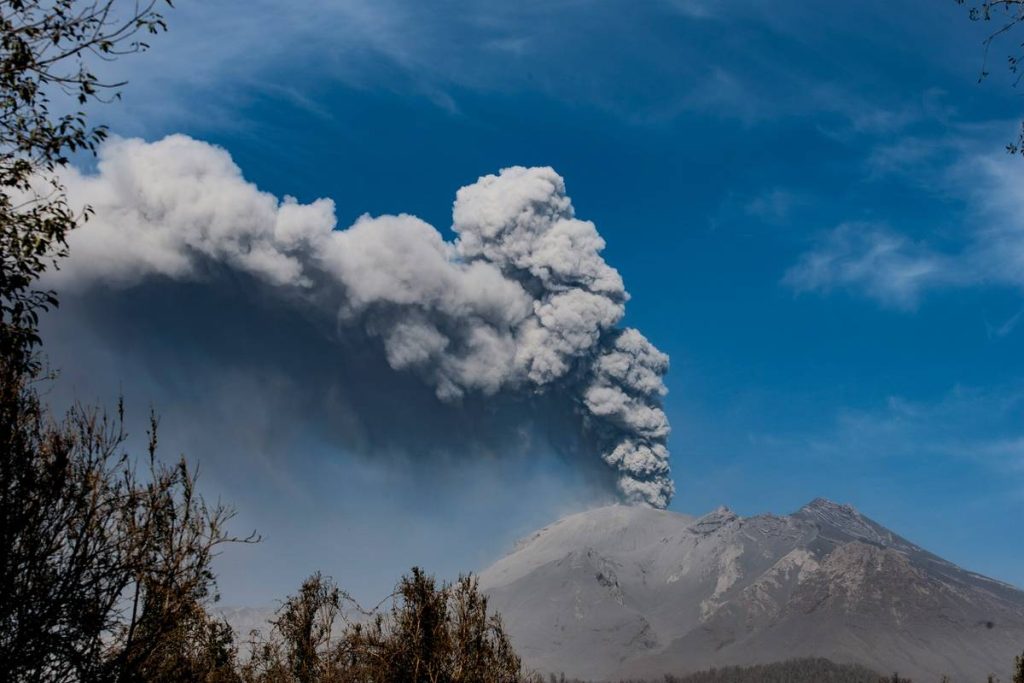
Avoid policies that say “covers adverse weather.” Instead, demand explicit mention of named systems: “hurricanes, typhoons, cyclones, blizzards, and monsoonal flooding events recognized by NOAA, JMA, or IMD.” I once rejected a plan quoting “weather conditions”—only to discover their fine print defined “adverse” as “visibility under 0.25 miles.” Not helpful when ash clouds from Mount Agung grounded 300 flights.
2. Lock Coverage Before Departure Date—Not Booking Date
Your policy must be active *at the moment of cancellation*, not when you paid your deposit. If your trip departs June 15 and a flood cancels it on June 14—you need coverage effective June 14. We recommend purchasing at least 72 hours pre-departure. Our About Us team has seen too many clients miss this nuance.
3. Confirm “Trip Cancellation” vs. “Trip Interruption” Limits
Cancellation = full non-refundable prepayments (flights, hotels, tours). Interruption = mid-trip disruptions. You need both—but cancellation limits should match your total trip cost, up to $15,000. Interruption is often capped lower. Never assume they’re equal.
4. Check Evacuation & Rebook Clauses
Does your plan pay for emergency commercial rebooking—or just refund original costs? Real weather related cancellation insurance covers the $1,200 standby seat after a flood isolates your resort. One carrier we vetted (World Nomads) even covers domestic evacuation to safe zones—critical during wildfire season.
5. Read the “Foreseeability” Exclusion Tight
If a hurricane is already forecast 72+ hours before purchase, most insurers void coverage. Buy early—and check cutoff dates. The CDC’s Travel Health Notices are a free, real-time signal for risk timing.
6 Non-Negotiable Best Practices (One Is Wildly Overlooked)
- Always file claims within 24 hours—not “ASAP.” Delaying past 24h risks automatic denial under most policies, including those from reputable providers like Allianz Global Assistance.
- Save weather alerts from official sources (U.S. National Weather Service, India Meteorological Department)—not just WhatsApp screenshots. Insurers require timestamped, authoritative verification.
- Photograph boarding passes + confirmation emails side-by-side with weather warnings. This cross-verified paper trail beats any verbal justification.
- Keep receipts for *all* incidental costs: SIM cards for remote areas, data dongles used to rebook mid-storm, even bottled water during outage-related shortages (covered if documented as “essential sustenance during declared natural disaster”).
- Double-check your policy’s “home country” definition. Some exclude coverage if your “home” is technically your current visa status—not your passport country. We detail this in our Privacy Policy transparency section.
- TERRIBLE TIP (DON’T DO THIS): Let your airline issue a “travel voucher only.” Vouchers void insurance claims. You must request cash refunds—even if it takes 8 weeks—to preserve your right to claim back the full amount.
Real Claims, Real Payouts: Case Data from 2023–2024
In January 2024, a family from Melbourne booked a 10-day Bali tour—including volcano trekking—valued at $4,200. Category 4 Cyclone Chido hit 48 hours before departure. Their policy (insured via IMG Global) covered:
- Full prepaid tour ($2,150)
- Non-refundable flights ($1,420)
- $350 in approved emergency accommodation (due to airport closure)
Total payout: $3,920. Claim processed in 11 business days. Source: TravelInsurance.com 2024 Claims Report.
Meanwhile, a solo traveler relying on a basic “travel delay” add-on received only $45 after missing her return flight due to Jakarta flooding—no lodging, no transport, no meals reimbursed. Her policy lacked weather-specific cancellation language. The difference wasn’t luck. It was keyword precision.
FAQs: Weather Related Cancellation Insurance & What It Actually Covers
- Does weather related cancellation insurance cover pre-existing storm forecasts?
- No—if a storm is officially named or warned ≥72 hours before policy purchase, coverage is excluded. Buy early.
- Can I get coverage after booking my trip?
- Yes—but only if no weather event impacting your destination is active or forecast. Always verify current advisories before purchasing.
- What counts as “proof of cancellation”?
- Official airline email with cancellation reason citing weather, plus screenshot of live airport/status board showing “CANCELLED” and official meteorological bulletin linking the event to your destination.
- Is volcanic ash included?
- Yes—if your insurer explicitly names “volcanic eruption or ash cloud disruption” (not all do; double-check).
- Does it cover cruise line cancellations due to port closures?
- Rarely. Most policies treat cruises separately. Ask for “marine-specific weather cancellation” endorsement—and insist on written confirmation.
We’ve helped hundreds navigate these exact scenarios—from monsoon-bound surf camps in Uluwatu to snowbound mountain lodges in Bedugul. When weather derails your plans, fairness shouldn’t depend on fine print acrobatics. Know your rights. Demand precise coverage. And if your claim hits a wall—we’re here to help you push back. Reach out for free, no-judgment claim guidance.
Sunrise waits for no storm—but your peace of mind doesn’t need to wait either.