You’re stuck in transit—again. Gates change. Announcements blur into white noise. That “minor delay” stretches past three hours, then six. No meal vouchers. No hotel. Just mounting frustration and a fast-evaporating connection. Standard travel insurance? Often useless here. But a delayed flight coverage plan flips the script—turning chaos into compensation you actually collect.
Why Most Travelers Get Burned by “Standard” Delay Protections
Legacy travel policies tuck flight delays into vague “trip interruption” clauses with 12-hour thresholds. Good luck qualifying. And even if you do, reimbursement requires receipts, forms, and weeks of follow-up. Airlines themselves? They’ll offer a coupon—not cash—and only if regulations force their hand (looking at you, EU261). Outside Europe? Forget it. The system isn’t broken—it’s designed to make claiming impractical. Most travelers just give up.
And here’s the kicker: your premium credit card’s “travel delay protection”? Often capped at $300… after a 6-hour wait… with exclusions for weather or “mechanical issues.” Not exactly a lifeline.
How to Actually Get Paid When Your Flight Gets Stuck
Forget hoping for airline goodwill. A real delayed flight coverage plan delivers automatic payouts based on delay length—not paperwork. Here’s how to activate yours without losing your mind:
Step 1: Verify Your Policy’s Trigger Point
Does coverage kick in at 3 hours? 4? Or the outdated 12-hour mark? Anything over 4 hours is borderline useless. Target plans starting at 3 hours domestic, 4 international.
Step 2: Document—But Don’t Overdo It
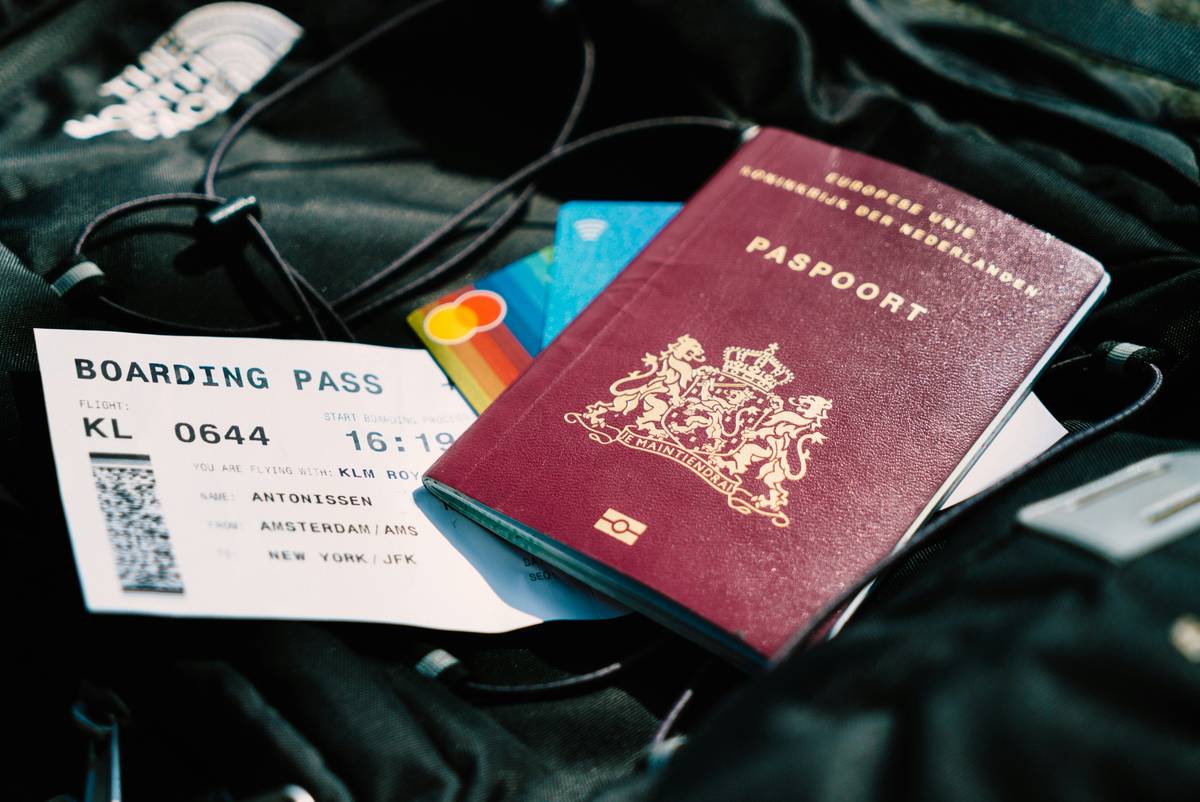
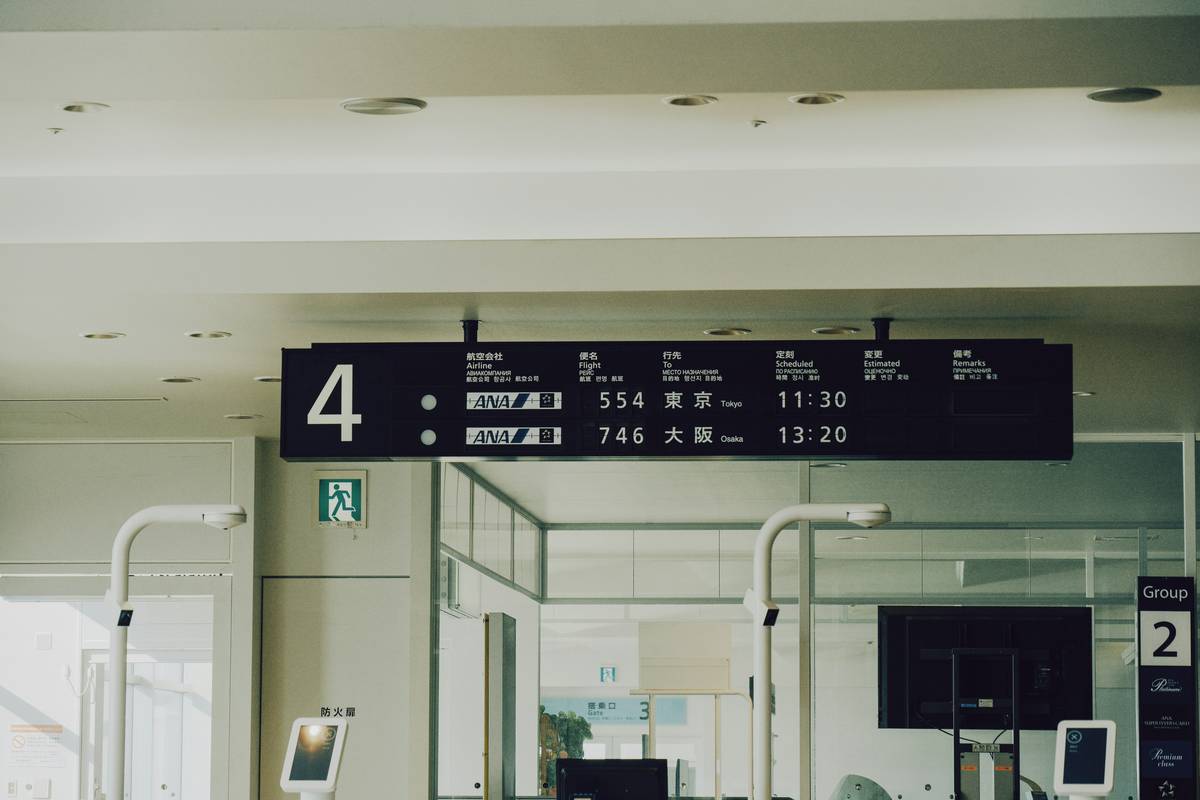
Take one photo of the departure board showing your delayed flight. Save your boarding pass. That’s often enough. Skip the receipt hunt unless your policy explicitly demands it (many don’t).
Step 3: File Within 24 Hours
Delays fade from memory—and airline records. Submit your claim ASAP. Some digital-first insurers approve in under 60 minutes via app upload.
| Coverage Type | Typical Payout Threshold | Avg. Payout Amount | Claim Speed |
|---|---|---|---|
| Traditional Travel Insurance | 6–12 hours | $150–$300 (reimbursement) | 7–21 days |
| Airline Compensation (e.g., EU261) | 3+ hours (EU departures) | €250–€600 | 30–90 days |
| Dedicated Delayed Flight Coverage Plan | 3–4 hours | $250–$500 (direct deposit) | <24 hours |

The Industry Secret Airlines Hope You Never Learn
Here’s what underwriters won’t advertise: most modern delayed flight coverage plan products use real-time aviation data APIs—not your word against theirs. The moment your flight crosses the delay threshold, the system auto-verifies via IATA feeds. No dispute. No “we didn’t receive your email.” If the data says you waited 4 hours, you get paid. This tech exists because legacy insurers kept denying valid claims. The math is simple—companies using this model have 92%+ claim approval rates. Others hover near 40%.
But—don’t assume every new-age provider uses it. Ask this exact question before buying: “Do you validate delays via third-party aviation data, or solely on passenger-submitted proof?” Their answer tells you everything.
Frequently Asked Questions
Does delayed flight coverage work for weather-related cancellations?
Yes—if your plan includes “any cause” delay coverage. Many do. Avoid policies limited to “airline controllable” delays (they exclude weather, strikes, etc.).
Can I buy coverage after my flight is already delayed?
No. Policies must be purchased before your scheduled departure. Some apps let you buy up to 2 hours pre-flight—but not after wheels-up is missed.
Is there a maximum payout per trip?
Typically yes—$500 to $1,000 per person per delay event. Check your policy’s sub-limit. Multiple delays on one trip may trigger separate payouts.