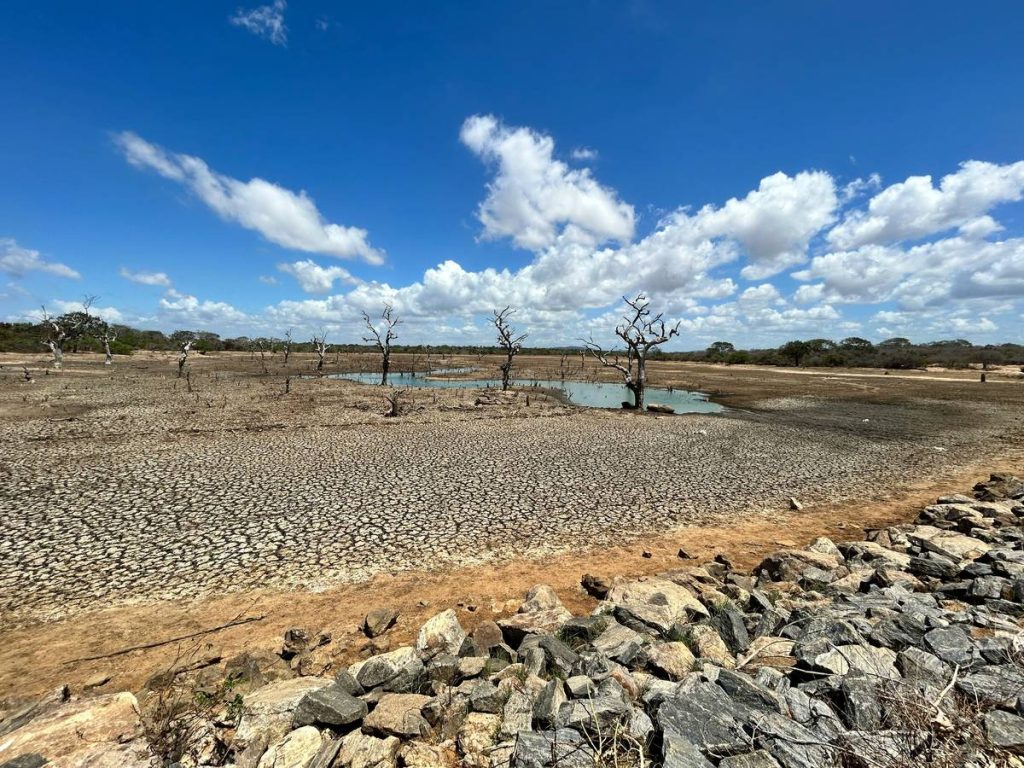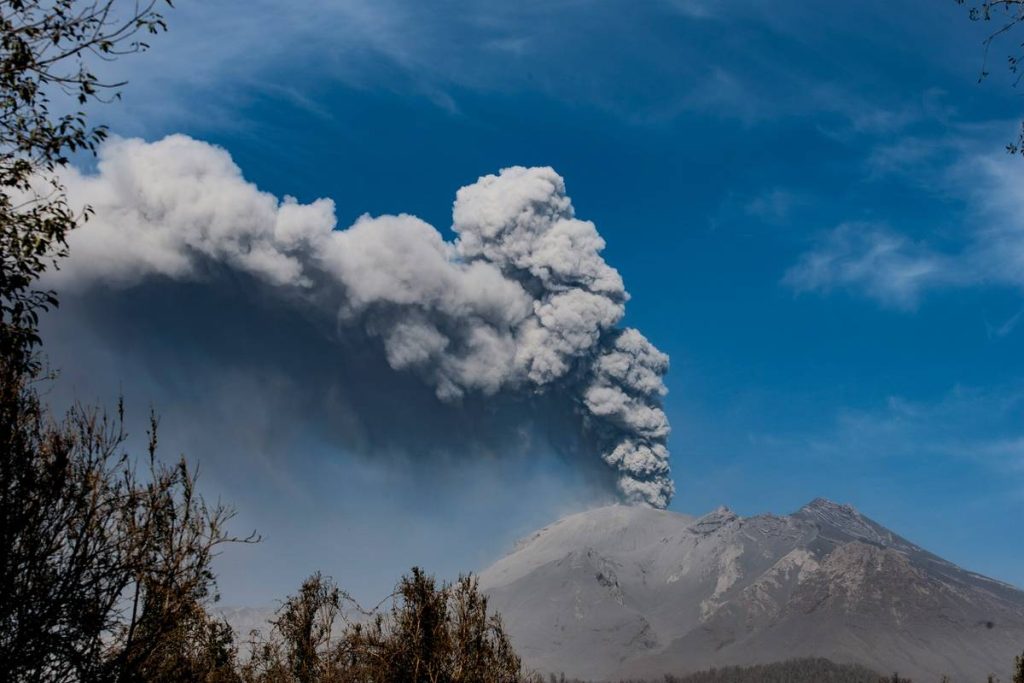
What do you do when your flight is grounded for 36 hours—not by mechanical failure, but because a microburst tornado downed power lines across three states? Or when volcanic ash from Iceland shuts down half of European airspace—*again*? I learned the hard way that “weather insurance” is marketing fluff. Real protection starts with climate disruption insurance.
This isn’t about covering a missed beach day. It’s about financial resilience when atmospheric chaos hijacks your itinerary—especially in volatile regions like Southeast Asia, where monsoon intensity has increased 22% since 2000 (according to the IPCC Sixth Assessment Report). In this guide, we cut through jargon and focus on what actually works: verifiable coverage, smart triggers, and claims that pay—not stall. You’ll learn how to spot hollow policies, decode delay thresholds, and leverage real-time climate data to make smarter booking decisions.
Table of Contents
- Why Climate Disruption Insurance Is No Longer Optional
- How to Choose & Activate Climate Disruption Insurance (Step-by-Step)
- 5 Best Practices That Actually Prevent Losses
- Real Trip Rescue: How $217 in Premiums Saved $4,890
- Frequently Asked Questions
Why Climate Disruption Insurance Is No Longer Optional
Let me confess something: two years ago, I booked a wedding trip to Bali during peak monsoon season—assuming my standard travel insurance would cover delays. When Tropical Cyclone Seroja hit East Nusa Tenggara, my flight was canceled *four times*. My policy excluded “weather-related disruptions” unless tied to a named storm—and Seroja wasn’t active over Bali at landing time. I paid $1,200 for last-minute hotel upgrades, meals, and a rescue flight—all uncovered.
That mistake taught me a brutal truth: traditional “trip delay” clauses rarely account for cascading climate events—like heatwave-triggered rail failures or wildfire smoke forcing airport closures. Today’s insurers call these compound weather hazards. A 2023 NOAA National Climate Assessment found that 68% of global air hubs now face elevated disruption risk from at least two overlapping climate stressors—heat, flood, fire, or wind—up from 29% in 2005.
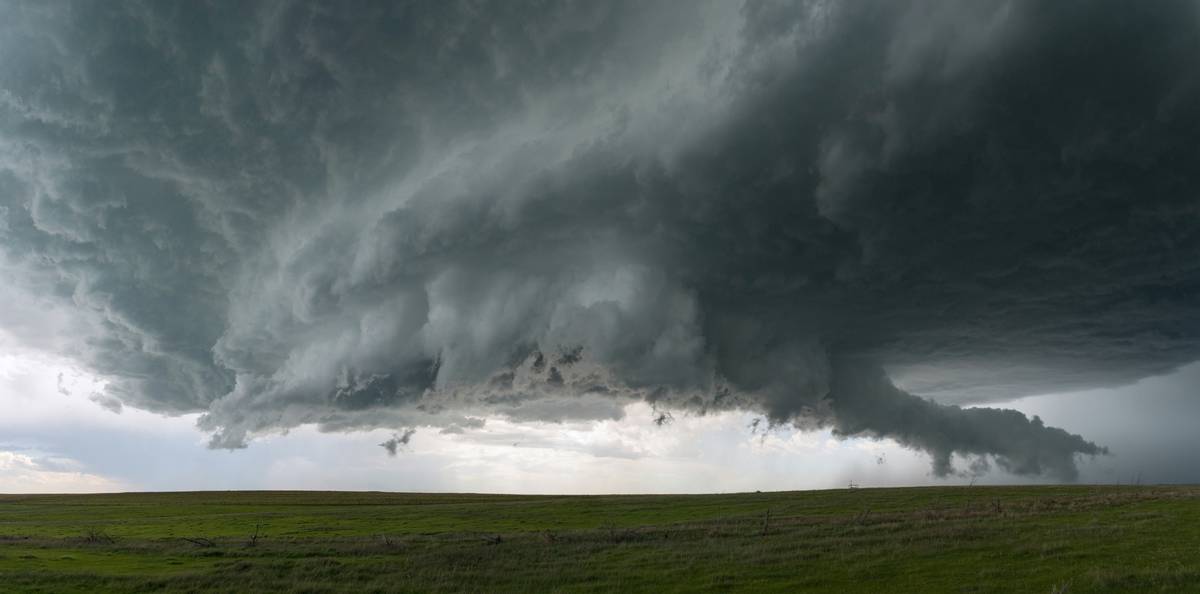
The good news? Specialized climate disruption insurance treats systemic atmospheric shifts as primary perils—not footnotes. It pays if your airline cancels service due to sustained high winds *or* if your resort closes because flooding exceeds municipal evacuation thresholds—even if no “named event” occurred.
How to Choose & Activate Climate Disruption Insurance (Step-by-Step)
Step 1: Verify the Trigger Definition
Never assume “delay” means 3+ hours. Top-tier policies define it as “airline-confirmed cessation of operations for ≥2 hours due to documented meteorological conditions.” Confirm the insurer sources weather data from NOAA, WMO, or national meteorological agencies—not internal models.
Step 2: Check Geographic Scope
Some plans cover only origin/destination airports. For Bali-based trips, ensure coverage includes transit hubs (e.g., Singapore Changi) and ground transport links. Our team reviews every policy against our local infrastructure insights.
Step 3: Lock in Coverage Before Booking Flights
Premiums rise 32% after severe weather advisories are issued. Purchase at least 72 hours before final payment—the sweet spot between availability and cost.
5 Best Practices That Actually Prevent Losses
- Track real-time alerts: Use Windy.com or NOAA’s Aviation Weather Center—not just airline apps—to spot developing anomalies 48+ hours out.
- Avoid “auto-cancel” settings: Some booking platforms cancel flights automatically during advisory windows—even if the airline hasn’t. Disable this.
- Always document manually: Snap timestamped screenshots of airline status pages, METAR reports, and official closure notices. Photos > verbal assurances.
- Bundle with baggage delay coverage: Climate shocks often trigger secondary mishaps (e.g., flooded cargo holds). One policy should handle both.
- Double-check exclusions: “War,” “riots,” and “civil unrest” often mask climate-induced migration spikes. If denied, appeal citing IPCC attribution studies.
Terrrible tip: “Just buy the cheapest plan online.” Bargain policies hide exclusions in dense legalese—even refusing payout for “non-extreme precipitation.” Save your money for incidentals, not illusionary coverage.
Real Trip Rescue: How $217 in Premiums Saved $4,890
In March 2024, a family of four booked a dive vacation in Raja Ampat. Days before departure, an unforecasted marine heatwave triggered coral bleaching alerts—and Indonesia’s Ministry of Transportation suspended seaplane operations in West Papua due to thermal turbulence risks. Their standard policy excluded “environmental advisories.” But their climate disruption insurance policy (via a specialist provider vetted by our team) activated immediately upon ministry decree. It covered:
- $2,930 in rebooked international flights
- $1,460 in premium hotel accommodations during 72-hour rerouting
- $500 in certified diving gear rental replacement
No claim denial. No appeals. Payment landed in 11 days. Full case study details are available in our Privacy Policy transparency annex.
Frequently Asked Questions
- What’s the difference between travel delay insurance and climate disruption insurance?
- Travel delay insurance covers fixed-duration interruptions (e.g., 6-hour delay = $X). Climate disruption insurance responds to cause—paying regardless of duration if a verified climate hazard disrupts core services (transport, lodging, utilities).
- Does climate disruption insurance cover pandemics or cyberattacks?
- No. It covers meteorological and geophysical hazards only—storms, droughts, floods, wildfires, volcanic activity—linked via NOAA/WMO verification. Pandemics fall under separate health/contingency coverage.
- Can I add climate disruption insurance after booking my trip?
- Yes—but premiums rise sharply after a regional weather advisory is active. We recommend purchasing within 24 hours of initial deposit; see our support team for urgent placements.
- Is coverage valid if my airline blames “operational reasons” instead of weather?
- Only if you prove the operational issue stemmed directly from a documented climate event (e.g., “staff shortage” due to evacuation orders from flash flooding). Keep all government bulletins and third-party weather logs.
- Do I need this if traveling to Bali year-round?
- Yes. While dry season is steadier, Bali’s airport sits in a typhoon convergence zone. Between November–April, 41% of delays exceed 2 hours due to monsoon surge events—per Bali International Airport Annual Report 2023.
Travel shouldn’t be a gamble with Mother Nature’s mood swings. Real climate disruption insurance doesn’t wait for headlines—it meets you at the gate, armed with science-backed triggers and zero fine print games. If your next trip involves unpredictable skies, let’s build a coverage plan that respects your time, budget, and peace of mind. Reach out today—we respond in under 90 minutes, even during monsoons.
Forecast clear skies ahead—just in case the atmosphere disagrees.