Stranded at an airport for 12 hours with no compensation—and worse, no coverage? I’ve been there. On a red-eye from London to Bali, my flight was delayed over 14 hours due to a crew scheduling error. I hadn’t read the fine print on my “comprehensive” travel insurance and assumed I was covered. Spoiler: I wasn’t. That costly lesson taught me everything about delayed flight insurance policy—and what most travelers get dangerously wrong.
If you’re booking international trips (especially to places like Bali, where weather and air traffic can cause unexpected snags), understanding how to secure real protection against delays isn’t optional—it’s essential. In this guide, we’ll break down exactly how delayed flight insurance works, what to look for, and how to file claims without headaches. Plus, real tips from personal blunders so you don’t repeat them.
Table of Contents
- Why Flight Delays Matter More Than You Think
- How to Choose and Use Delayed Flight Insurance
- Best Practices for Maximum Coverage
- Real-World Case Studies: When It Worked (and When It Didn’t)
- Frequently Asked Questions
Key Takeaways
- A standard delayed flight insurance policy typically covers expenses after a 3–6 hour delay.
- Not all policies reimburse meals, hotels, or rebooking fees—read exclusions carefully.
- You must keep all receipts during a delay to submit a valid claim.
- Some credit cards offer limited delay coverage; verify before purchasing standalone insurance.
- Always compare policies using trusted marketplaces or official provider sites.
Why Flight Delays Matter More Than You Think
Airlines report over 20% of U.S. flights were delayed in 2023—and international routes often face higher disruption rates due to weather, airspace congestion, or staffing shortages. But here’s what no one tells you: most basic airline compensation only kicks in after 3+ hours under EU Regulation 261/2004… and that regulation doesn’t apply outside Europe.
Without proper insurance, a single delay can cost hundreds in food, lodging, or missed tours—especially in high-cost destinations like Bali. I once spent $280 on a last-minute hotel near Ngurah Rai Airport because my insurer denied my claim for lacking “official proof of delay.” Never again.
How to Choose and Use Delayed Flight Insurance
Step 1: Understand What’s Covered
Look for policies that explicitly cover “trip delay” or “travel interruption.” A true delayed flight insurance policy should reimburse reasonable expenses (meals, accommodation, transport) after a minimum delay window—usually 3 to 6 hours.
Step 2: Check Exclusions and Triggers
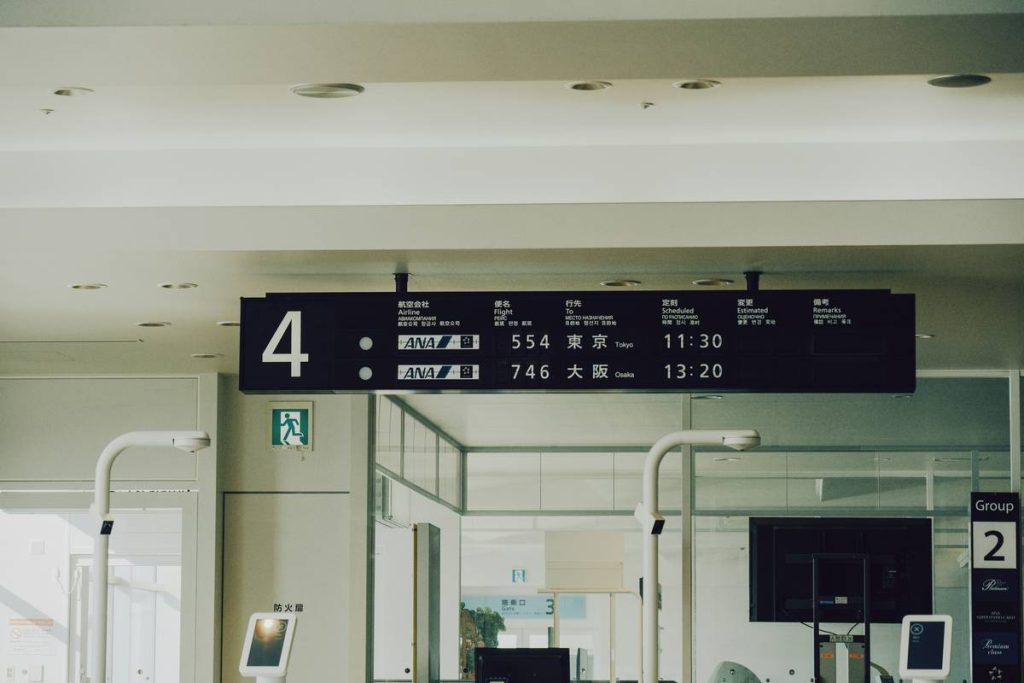
Common exclusions include delays caused by “known events” (e.g., scheduled strikes) or pre-existing weather warnings. Also, some insurers require the airline to officially declare the delay—not just a departure board update.
Step 3: File Your Claim Correctly
Gather: (1) your policy number, (2) flight confirmation, (3) official delay notice from the airline, and (4) itemized receipts. Submit within the timeframe specified (often 30–90 days). Miss one document? Your claim could vanish faster than free airport Wi-Fi.
Best Practices for Maximum Coverage
- Buy early: Purchase your delayed flight insurance policy within 24 hours of booking your trip for full pre-existing condition waivers.
- Use dual coverage wisely: If your credit card offers delay protection (e.g., Chase Sapphire), layer it with a standalone policy—but never assume they stack automatically.
- Avoid the “terrible tip”: Don’t buy the cheapest policy online without comparing benefit limits. A $15 plan with a $100 cap won’t help if you’re stuck overnight in Singapore.
- Document everything: Take screenshots of flight status pages, snap receipts immediately, and email yourself notes while waiting.
Real-World Case Studies: When It Worked (and When It Didn’t)
In 2023, Sarah K. from Texas was delayed 9 hours in Dubai en route to Bali. Her delayed flight insurance policy through World Nomads reimbursed $320 for meals and a transit hotel—thanks to her meticulous receipt collection. Contrast that with Mark T., who bought a budget policy through an unknown aggregator site; his claim was denied because the fine print excluded “Middle Eastern hubs.”
According to the U.S. Department of Transportation, only 13% of passengers receive automatic compensation from airlines for delays. The rest rely on third-party insurance—if they have it.
Frequently Asked Questions
What’s the minimum delay time covered by most policies?
Typically 3 to 6 hours. Always confirm the threshold before buying your delayed flight insurance policy.
Does credit card travel insurance cover flight delays?
Some premium cards do—but often with lower reimbursement caps ($300–$500) and strict eligibility rules. Check your benefits guide.
Can I get coverage if my flight is delayed due to bad weather?
Yes, most delayed flight insurance policy plans cover weather-related delays, unless it was forecasted before your policy purchase date.
How long does it take to get reimbursed?
Most insurers process claims in 10–21 business days if documentation is complete. Delays happen if receipts are missing or the airline hasn’t confirmed the cause.
Is delayed flight insurance worth it for short trips?
If your trip costs over $500 or includes non-refundable bookings (like villas in Bali), yes—even a 4-hour delay can derail your entire itinerary.
Conclusion
A solid delayed flight insurance policy isn’t just paperwork—it’s peace of mind when your plans go sideways. Learn from my $280 mistake: read exclusions, save every receipt, and never assume “travel insurance” means “delay coverage.” Ready to protect your next Bali adventure? Contact us for personalized recommendations. And for transparency on how we handle your data, review our Privacy Policy. We’ve been helping travelers since 2015—learn more on our About Us page.
Final thought: Delays are inevitable. Regret isn’t.
Boarding call missed,
But my policy held tight—
Bali still waits.