Stranded at the airport for 14 hours because your flight got canceled by a surprise typhoon? You’re not alone—and worse, you probably weren’t covered. Most travelers assume standard policies handle weather disruptions, but they often don’t. That gap can cost you hundreds in missed hotels, meals, and rebookings. In this guide, we’ll cut through the fine print and show you exactly how weather related travel protection works, why it’s essential for savvy globetrotters, and how to get it right the first time.
Table of Contents
- Why Weather Delays Hurt More Than You Think
- Step-by-Step Guide to Securing Real Coverage
- 5 Best Practices for Maximum Peace of Mind
- Real-World Cases: When It Saved (or Failed) Travelers
- Frequently Asked Questions
Key Takeaways
- Standard travel insurance rarely covers delays due to “foreseeable” weather—unless you buy specific weather related travel protection.
- Always confirm if your policy includes “interruption due to adverse weather” as a named covered reason.
- Buy coverage within 24–48 hours of your initial trip deposit for full pre-existing condition and cancel-for-any-reason eligibility.
– Trip delay benefits typically kick in after 3–6 hours of waiting and reimburse meals, lodging, and transport.
Why Weather Delays Hurt More Than You Think
Last monsoon season, I flew from Bali to Bangkok only to land mid-storm. My return flight was grounded for 36 hours. I had travel insurance—but it excluded “known weather events.” Since forecasts predicted heavy rain days prior, my claim was denied. I ate instant noodles in Terminal 2 while racking up $220 in last-minute hotel fees. Lesson learned: generic policies won’t cut it.
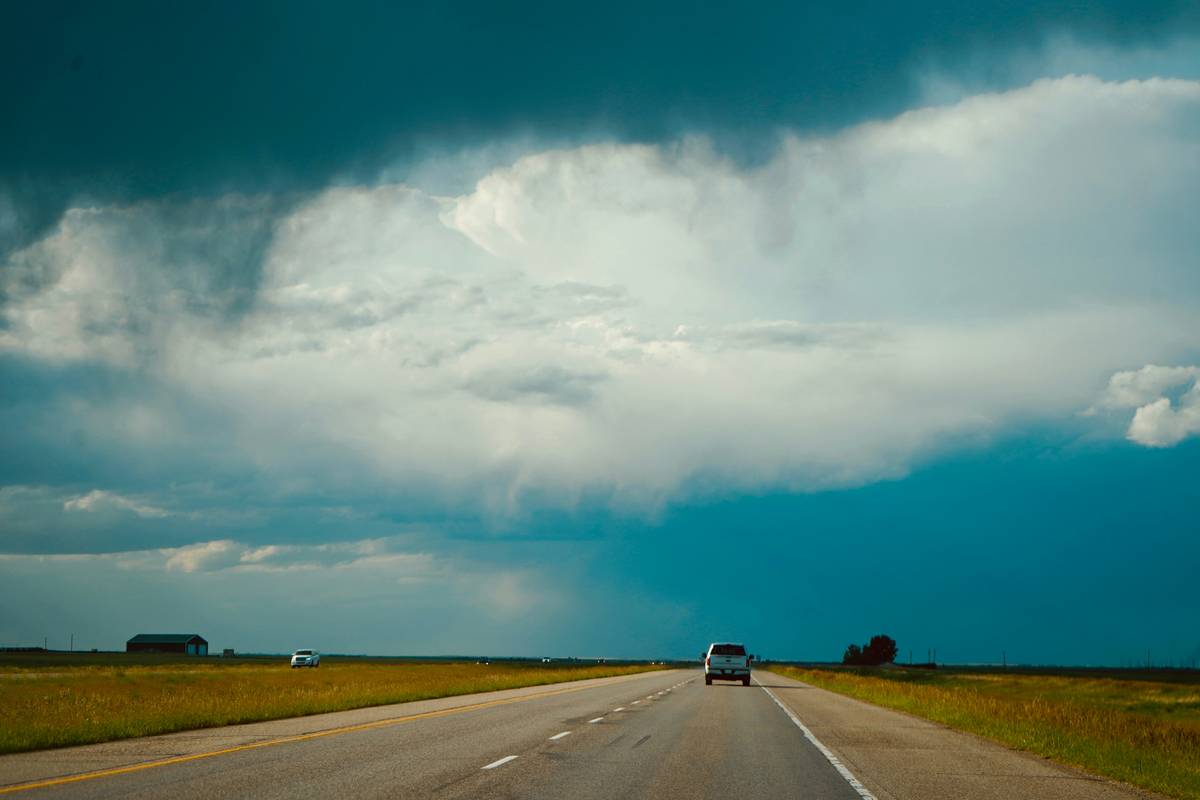
According to the U.S. Department of Transportation, weather causes nearly 70% of all flight delays. Yet most standard plans only cover medical emergencies or trip cancellations—not inconveniences like extended layovers due to cyclones, blizzards, or floods. That’s where dedicated weather related travel protection steps in, covering non-refundable expenses when Mother Nature throws a wrench in your itinerary.
Step-by-Step Guide to Securing Real Coverage
1. Confirm Your Base Policy’s Gaps
Read your policy’s “covered reasons” section. If it says “unforeseen natural disasters” but omits “adverse weather conditions,” you’re exposed. Look for explicit mentions of flight delays due to meteorological events.
2. Add a Delay Rider or Upgrade
Many insurers (like Allianz or World Nomads) offer add-ons for trip delay. These typically reimburse $100–$200 per day after a 6-hour wait. Ensure it includes ground transport costs if you need to reach an alternate airport.
3. Buy Early—Before Forecasts Change
Purchase within 24–48 hours of your first trip payment. This locks in coverage for unforeseen events and may qualify you for broader protections under providers’ early-purchase clauses.
5 Best Practices for Maximum Peace of Mind
- Document everything: Save boarding passes, delay notices, and receipts. Insurers require proof.
- Avoid this terrible tip: “Just rely on airline compensation.” EU Regulation 261/2004 offers payouts for EU flights, but it excludes weather—a major loophole.
- Check if your credit card includes secondary delay coverage (e.g., Chase Sapphire). But note: it’s usually supplemental, not primary.
- Never skip reading exclusions—some policies void coverage if a hurricane is already named before you buy.
- Link your policy details to your itinerary using apps like TripIt for automatic alerts during disruptions.
Real-World Cases: When It Saved (or Failed) Travelers
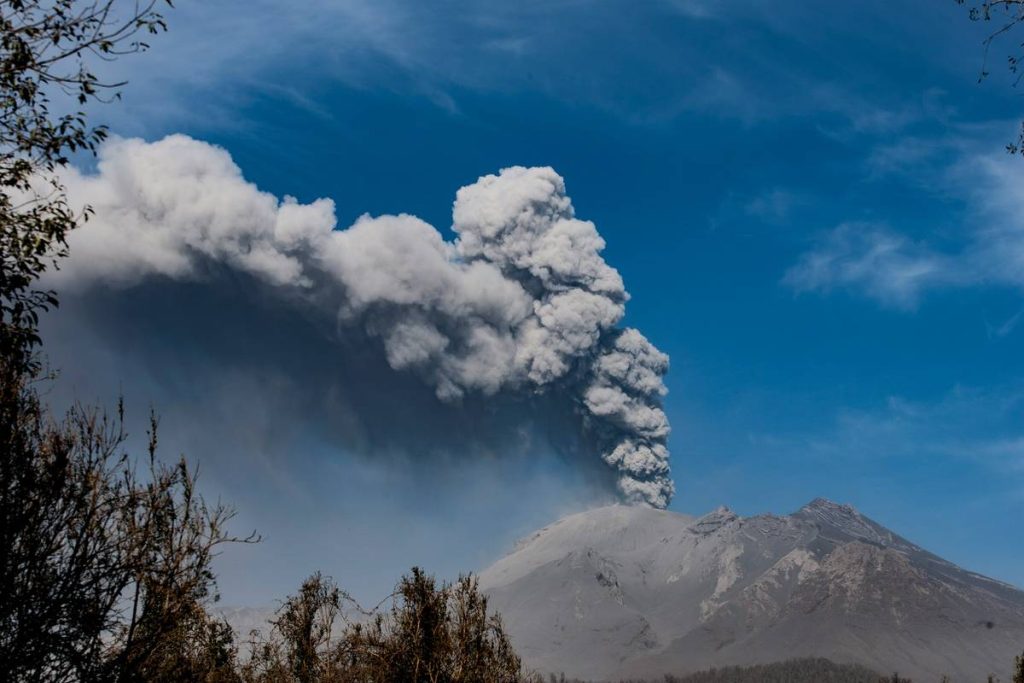
In 2023, a group heading to Bali faced a 28-hour delay due to Cyclone Freddy. Those with comprehensive weather related travel protection received $180/day for hotel and meals via their IMG Global policy. Others without it absorbed $400+ in unexpected costs. Similarly, during Iceland’s 2022 ash cloud event, travelers with upgraded coverage from Berkshire Hathaway Travel Protection were reimbursed within 10 days—while standard policyholders waited months or got denied.
Data from Squaremouth shows that claims citing “weather-related delays” rose 42% between 2020 and 2023, highlighting growing climate volatility. Having the right plan isn’t just smart—it’s increasingly necessary.
Frequently Asked Questions
Does travel insurance cover flight delays due to rain or storms?
Only if your policy explicitly lists “adverse weather” or “meteorological events” as a covered reason. Basic medical-only plans won’t help.
How long must a delay last to qualify for reimbursement?
Most U.S.-based policies require 3–6 consecutive hours of delay. Always check your provider’s threshold—some start at 4 hours.
Is weather related travel protection worth it for short trips?
Yes, especially during monsoon, hurricane, or winter storm seasons. A single unexpected overnight can cost more than the premium.
Can I buy this coverage after booking my trip?
Usually yes—but only if no weather warnings exist for your destination yet. Once a storm is forecasted, it’s considered “foreseeable” and excluded.
What’s the difference between trip delay and trip interruption coverage?
Delay covers extra costs while you wait; interruption reimburses unused prepaid expenses if you must abandon your trip entirely.
Where can I learn more about policy specifics?
Review official plan documents from providers like Allianz (allianztravelinsurance.com) or consult the U.S. Travel Insurance Association’s consumer guide (ustravelinsurance.org).
Don’t let a storm turn your dream getaway into a budget nightmare. With the right weather related travel protection, you stay covered—rain or shine. Got questions about your specific itinerary? Our team at Contact Us has helped hundreds navigate policy nuances. Learn more about who we are on our About Us page, and always review our Privacy Policy before sharing personal details.
Final thought: The best souvenirs are memories—not stress bills. Pack coverage like you pack your passport.