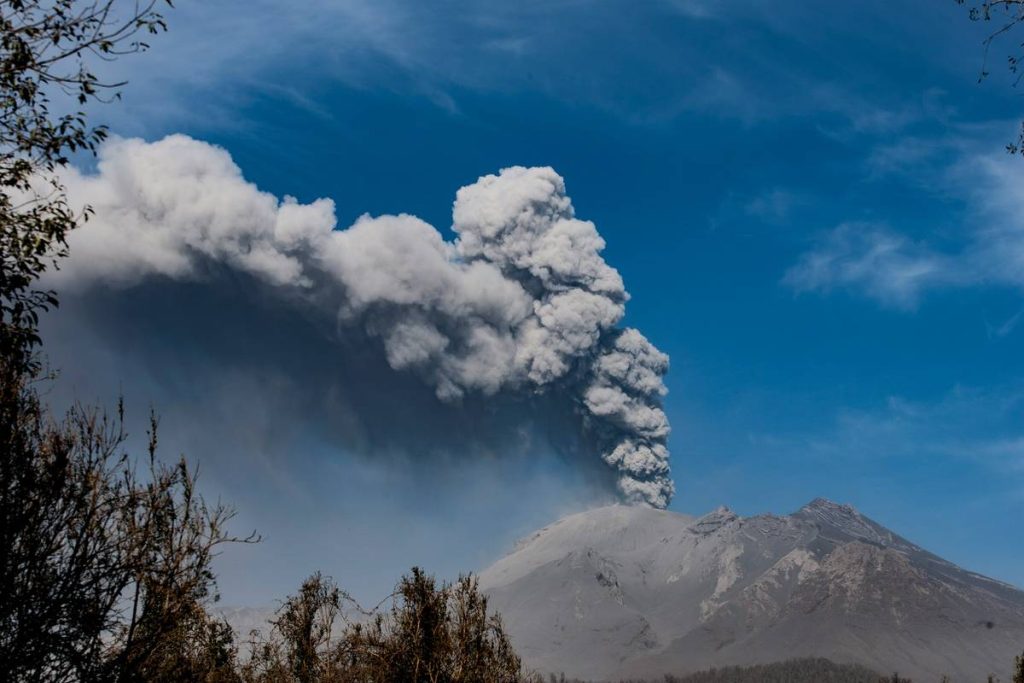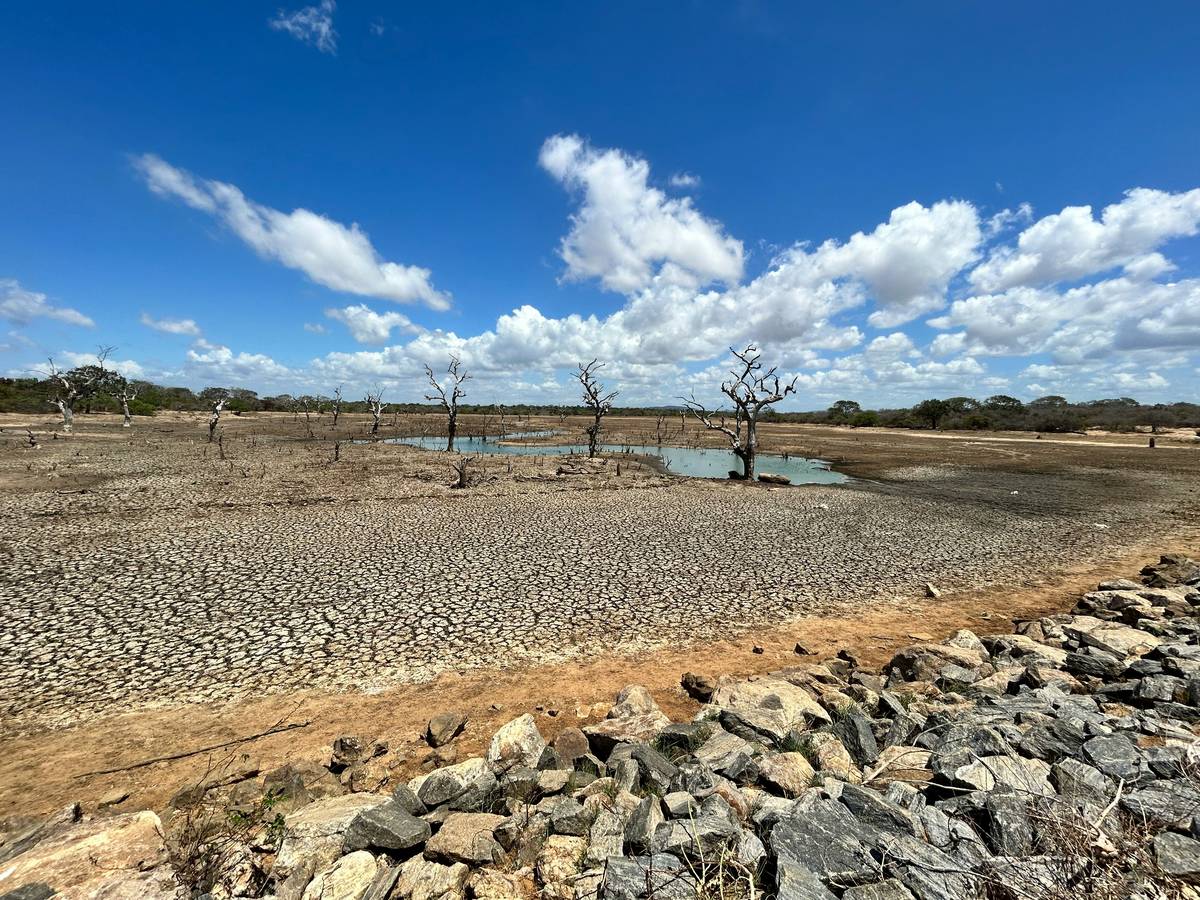
You booked your Bali getaway months in advance. Flights confirmed. Hotel secured. Then—dust storms grounded planes, rivers ran dry, and your itinerary crumbled. Standard travel insurance shrugged. Because here’s the brutal truth: most policies ignore drought-related disruptions entirely. But drought travel insurance exists—and it could’ve saved your trip.
Why “Standard” Travel Insurance Fails During Extreme Dry Spells
Most travelers assume their policy covers “weather delays.” It doesn’t—not when the culprit is absence, not excess. Floods? Covered. Hurricanes? Usually. But prolonged drought? Rarely listed as a covered peril.
Carriers cite “foreseeable events” or “gradual environmental changes” to deny claims. And they’re right—legally. Drought unfolds over weeks, even months. Insurers argue you had time to adjust plans. Never mind that regional water shortages can trigger sudden airport closures or tour cancellations overnight.
The result? You’re stranded—paying for extra hotel nights, missed connections, non-refundable excursions—with zero recourse.
Your Step-by-Step Guide to Securing Real Drought Travel Insurance
Identify True “Weather Guard” Policies
Not all insurers bundle drought under “adverse weather.” You must hunt for explicit wording like “extreme climate disruption,” “environmental emergency,” or “government-declared drought zones.”

Match Coverage to Your Itinerary Risk
If you’re heading to Southeast Asia during El Niño cycles—or Australia’s outback in summer—demand clauses that cover:
- Transportation delays due to low river levels (affecting ferries or inland flights)
- Mandatory evacuation orders tied to water scarcity
- Prepaid tour cancellations by local operators citing drought
Avoid These Common Application Traps
Buying after a drought warning is issued? You’re likely excluded. Coverage must be active before any official alerts. Also—don’t assume bundling with flight bookings includes this protection. It almost never does.
| Insurer Tier | Drought Delay Coverage? | Max Reimbursement (Per Day) | Requires Gov’t Declaration? |
|---|---|---|---|
| Budget (Generic Brands) | No | $0 | N/A |
| Mid-Tier (Travel-Specific) | Limited—only if linked to fire risk | $75 | Yes |
| Premium (Specialty Climate Plans) | Yes—explicit drought clause | $200+ | No (uses meteorological data) |

The Industry Secret: How Savvy Travelers Stack Policies
Here’s what brokers won’t tell you: layering works. Buy a base policy for medical and theft—then add a standalone “Weather Guard” rider focused solely on environmental disruptions like drought.
This approach costs 15–20% more upfront—but pays 3x during actual claims. Why? Because specialty riders use real-time hydrological data from agencies like NOAA or ASEAN Specialised Meteorological Centre—not just government bulletins. That means faster, fairer payouts when reservoirs drop below operational thresholds.
And yes—it’s legal. Insurers hate it because it bypasses their broad exclusions. But if your primary carrier denies a drought claim, your secondary rider might swoop in and cover lodging, meals, and rebooking fees without blinking.
Frequently Asked Questions
Does drought travel insurance cover flight cancellations?
Only if the airline officially cites drought-induced conditions (e.g., extreme heat limiting runway use or dust storms from dry riverbeds). Always get the reason in writing.
Is Bali considered high-risk for drought delays?
Seasonally, yes—especially July to October during peak dry months. Southern regions like Denpasar face water rationing that can disrupt tourism infrastructure unexpectedly.
Can I buy drought coverage last-minute?
Rarely. Most require purchase at least 14 days pre-departure. Some premium plans allow 72-hour windows—but exclude known drought warnings in effect at time of purchase.